


Unearthing the perfect cloud infrastructure can be pivotal for your business. Components like scalability, security measures, and data management can greatly influence your operational speed and overall reliability. Yet, navigating through the sea of cloud providers to find the best fit for your organization can seem overwhelming. There's a vast array of options, each tailored to specific requirements.
In this piece, we delve into a comparison between two of the most renowned cloud service providers—DigitalOcean vs Azure. We dissect their features, real-world use cases, and distinctions to help you determine which platform is the most compatible with your objectives. Let’s dive right in with a brief overview of these two giants in the cloud industry.
- 01 DigitalOcean vs Microsoft Azure: overview
- 02 What's the difference between DigitalOcean and Microsoft Azure?
- 03 DigitalOcean pros and cons
- 04 Microsoft Azure pros and cons
- 05 DigitalOcean compared to Microsoft Azure
- 06 Microsoft Azure compared to DigitalOcean
- 07 Features comparison
- 08 DigitalOcean vs Microsoft Azure: Which is the best for your business?
- 09 Alternatives to DigitalOcean & Microsoft Azure
- 10 Promotions on Cloud Storage software
Start saving on the best SaaS
Secret has already helped tens of thousands of startups save millions on the best SaaS like Microsoft Teams, Google Workspace & many more. Join Secret now to buy software the smart way.

01 DigitalOcean vs Microsoft Azure: overview
DigitalOcean and Azure are two prominent names in the cloud services industry, each boasting its unique set of features crafted to address the diverse needs of their user base.
DigitalOcean is acclaimed for its simplicity and developer-friendly environment, predominantly catering to startups and individual developers. It offers a straightforward approach to cloud computing with droplets (virtual machines) and a set of tools that make deployment and management relatively easy. Conversely, Azure, Microsoft's cloud offering, presents a comprehensive suite of cloud solutions that range from Infrastructure as a Service (IaaS) to Platform as a Service (PaaS) and Software as a Service (SaaS). Azure's robust ecosystem integrates seamlessly with other Microsoft products, making it a favored choice for large enterprises.
Now, let's delve into the DigitalOcean vs. Azure comparison to assist you in making a well-informed decision when choosing the right cloud service tailored to your specific operational and infrastructure needs.

Customer Support
DigitalOcean focuses on extensive documentation, while Azure relies more on a ticketing system and direct customer support, which can, at times, be slow.

DigitalOcean
Microsoft Azure
Pricing Plan
While Azure offers more features, it is the more expensive solution, making it less value for money compared to DigitalOcean.
DigitalOcean
Microsoft Azure
Security
Azure incorporates a variety of security measures, including identity management, data encryption, and threat protection. DigitalOcean similarly provides an array of security features, encompassing firewalls, access control, and data encryption.
DigitalOcean
Microsoft Azure
Customer Reviews
Users on Capterra regard both cloud providers highly, with DigitalOcean slightly edging out Azure in the overall positive reviews section.
DigitalOcean
Microsoft Azure
Availability
Azure is renowned for its exceptional availability and dependability, characterized by the inclusion of redundant systems and automated failover mechanisms. On the other hand, DigitalOcean also boasts an impressive array of features that ensure high availability and reliability.
DigitalOcean
Microsoft Azure
Scalability
Both provide seamless scalability with vertical and horizontal scaling. This is done by providing numerous features and services that cover almost any use case.
DigitalOcean
Microsoft Azure
Performance
Both providers offer robust and powerful infrastructure equipped with SSD storage. Azure offers SSD as optional making the performance a tad slower out of the box.
DigitalOcean
Microsoft Azure
Ease of Use
Both platforms feature modern designs with simple UI/UX. Azure, however, has a much steeper learning curve, with users complaining that some instances are difficult to set up.
DigitalOcean
Microsoft Azure
Integrations
DigitalOcean offers integrations like Kubernetes and Spaces, while Azure boasts a wider ecosystem with Azure Logic Apps and Power Automate
DigitalOcean
Microsoft Azure
Developer tools
Robust APIs are what you will get with either platform, with DigitalOcean focusing more on documentation compared to Azure. Either solution offers a smooth application for deployment and development.
DigitalOcean
Microsoft Azure
02 What's the difference between DigitalOcean and Microsoft Azure?
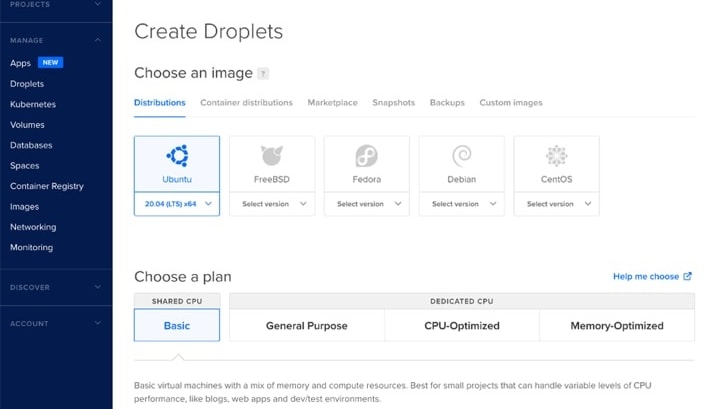
What sets DigitalOcean apart is its pricing reputation and transparent fee structure. Its popular "droplet" can be obtained at a rate of $0.015 per hour or $10 per month.
DigitalOcean
Cloud Computing Platform
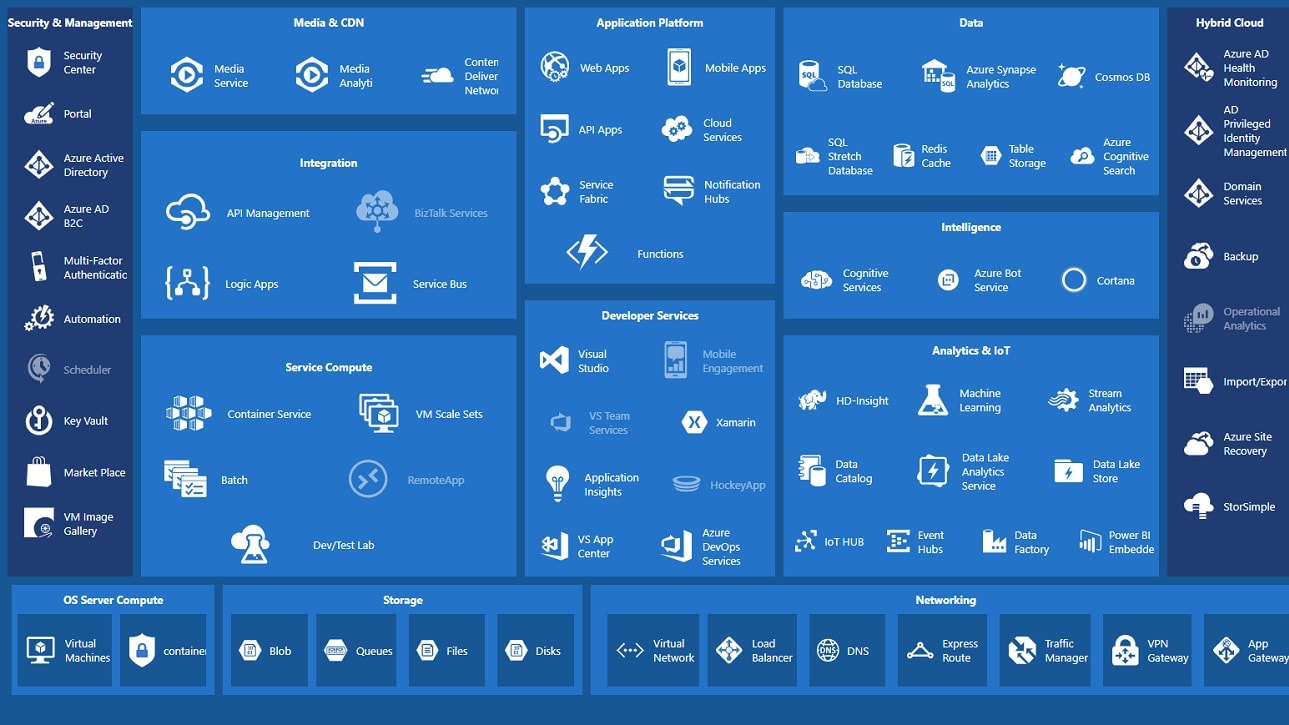
Azure offers a variety of Infrastructure as a Service (IaaS) and Platform as a Service (PaaS) features, including compute and networking options, data analytics tools, cloud storage solutions complete with capabilities,
Microsoft Azure
Microsoft Azure empowers you to centralize and streamline your cloud-based applications and services effortlessly. Say goodbye to the complexity of managing various cloud resources individually.
DigitalOcean and Azure are two service providers that offer different prices and a variety of features. What sets DigitalOcean apart is its reputation for pricing and transparent fee structure. Their popular droplet can be obtained at a rate of $0.015 per hour or $10 per month. On the other hand, Azure offers higher pricing due to the ongoing price competition among major cloud providers. Their A0 Linux instance comes at a cost of $0.02 per hour or approximately $15 per month.
While Azure provides features and seamless integration with Microsoft products, DigitalOcean has made significant advancements in expanding its offerings. They now offer clustering, scalability, networking, and monitoring features alongside their IaaS environment for Linux servers. Moreover, they provide a one-click setup for integrated applications, a control panel with management functions SSD, only disks for enhanced performance, and a quick 55-second provisioning limit for instances.
Azure offers a range of IaaS and PaaS features, including computing and networking options, data analytics tools, comprehensive cloud storage solutions with capabilities as well as seamless integration between the cloud and on-premises systems. In terms of performance evaluations, Azure consistently achieves scores in benchmarks such as UnixBench, with results ranging from 1300 to 1500. DigitalOcean also delivers performance with scores ranging from 800 to 1500; however, it exhibits higher variability rates compared to Azure. Both DigitalOcean and Azure provide options for SSD disks with their instances, which significantly contribute to their performance scores.
Ultimately, deciding between the two depends on needs and preferences. If you're looking for a Linux server that supports a set of popular tools, DigitalOcean could be a good fit. However, if you're running applications or working with Windows, Unix, or MacOS environments, it may not be the choice. Azure offers integration with Windows and other platforms. Provides a diverse range of tools and services to enhance your cloud hosting experience. Just keep in mind that Azure might come at a price compared to DigitalOcean.

DigitalOcean
Used by 6978 members
$200 in credits
Save up to $200

Microsoft Azure
Used by 2421 members
$5,000 in credits for 6 months if you didn't raise funds // Up to $150,000 in credits for 2 years if you did
Save up to $150,000
03 DigitalOcean pros and cons
What are the advantages of DigitalOcean?
- Simplicity and user-friendly interface: DigitalOcean's dashboard and overall design are intuitive, making it easy for beginners and developers to start and manage cloud services.

- Predictable pricing: Their transparent pricing model allows users to understand and predict their monthly costs without any hidden fees.
- Performance: DigitalOcean offers SSD-based storage and data centers in multiple locations around the world, ensuring optimal performance.
- Developer-focused features: Tools like Droplets, Spaces, and Managed Databases are designed keeping developers' needs in mind.
- Active community: DigitalOcean has a robust community and provides a plethora of tutorials, which can be beneficial for both newcomers and experienced developers.
What are the disadvantages of DigitalOcean?
- Limited advanced services: Unlike some competitors, DigitalOcean does not offer a wide array of advanced cloud services and tools.

- Scalability: While it's great for startups and individual developers, larger enterprises might find it less suitable when scaling massively.
- No native backup for block storage: Users need to implement third-party solutions or manual processes to back up block storage.
- Limited SLA: Their Service Level Agreement for uptime might not be as competitive as some larger cloud providers.
- Support: While their community support is active, premium support comes at an additional cost, which some users might find off-putting.
Compare DigitalOcean to other tools


DigitalOcean vs Linode

DigitalOcean vs Cloudways

OVHcloud vs DigitalOcean

DigitalOcean vs AWS Activate

Heroku vs DigitalOcean

Scaleway vs DigitalOcean
04 Microsoft Azure pros and cons
What are the advantages of Microsoft Azure?
- Extensive service offerings: Azure provides a broad range of services, from Infrastructure as a Service (IaaS) to Platform as a Service (PaaS) and Software as a Service (SaaS), catering to various user needs.
- Seamless integration with Microsoft products: Businesses using Microsoft software (like Windows Server, Active Directory, and SQL Server) find it easy to integrate with Azure, offering a unified IT environment.
- Global reach: Azure data centers are spread across the globe, ensuring reduced latency and compliance with regional data regulations.
- Advanced security features: Azure offers a comprehensive set of security features and compliance certifications, bolstered by Microsoft's longstanding expertise in enterprise security.
- Scalability and flexibility: Azure can handle the requirements of large enterprises, scaling up or down based on demand.
What are the disadvantages of Microsoft Azure?
- Complex pricing model: Azure's pricing can be complex to navigate, and without careful management, costs can escalate.
- Steep learning curve: Due to its wide array of services, Azure can be overwhelming for newcomers or businesses without dedicated IT teams.
- Performance variability: Some users report varying performance across different services and regions.
- Tool integration: While Azure provides a multitude of tools, integrating them seamlessly can sometimes be challenging, especially for those unfamiliar with Microsoft's ecosystem.
- Documentation: Although Azure has extensive documentation, it can sometimes lag behind updates, and certain topics might be less comprehensively covered than others.
Compare Microsoft Azure to other tools


Microsoft Azure vs Microsoft SharePoint
Microsoft Azure vs AWS Activate

Microsoft Azure vs Google Cloud (GCP)

Microsoft Azure vs OneDrive

Microsoft Azure vs Microsoft 365

Snowflake vs Microsoft Azure
05 DigitalOcean compared to Microsoft Azure
DigitalOcean and Azure are both formidable players in the cloud services arena, but they cater to slightly different audiences. DigitalOcean is lauded for its simplicity and developer-centric environment, making it a favorite among startups and individual developers. Its predictable pricing and intuitive interface allow for easy deployment and management.
On the other hand, Azure, a product of Microsoft, offers a comprehensive suite of cloud solutions, integrating seamlessly with the broader Microsoft ecosystem. This makes it a preferred choice for larger enterprises seeking extensive services and tools. However, the vastness of Azure can come with a steeper learning curve compared to DigitalOcean.
Is DigitalOcean better than Microsoft Azure?
 Is DigitalOcean better than Microsoft Azure?
Whether DigitalOcean is better than Azure largely hinges on the specific needs of the user. DigitalOcean stands out for its simplicity and straightforward pricing, appealing predominantly to startups and individual developers. Its user-friendly interface and developer-focused tools make deployment a breeze.
Conversely, Azure, backed by Microsoft's extensive ecosystem, offers a comprehensive array of cloud solutions, making it suitable for large enterprises and those in need of a wide range of services. Thus, "better" is subjective—DigitalOcean may be more apt for those seeking uncomplicated solutions, while Azure excels for organizations aiming for deep integration and extensive service offerings.
What is DigitalOcean best used for?
DigitalOcean is best used for hosting web applications, websites, databases, and development environments, especially for startups and individual developers. Its intuitive interface, developer-centric tools, and predictable pricing make it an attractive option for those who require a straightforward cloud platform. The platform emphasizes simplicity and speed, enabling users to deploy virtual machines, known as "Droplets," within minutes.
Furthermore, its vast collection of tutorials and active community support foster a nurturing environment for newcomers. While suitable for a range of applications, DigitalOcean particularly shines for projects that demand rapid deployment and scalability without the intricacies of larger cloud ecosystems.
Can DigitalOcean replace Microsoft Azure?
Whether DigitalOcean can replace Azure depends on the specific requirements of a project or organization. For startups or individual developers prioritizing simplicity, rapid deployment, and predictable pricing, DigitalOcean could serve as a viable alternative. It offers an intuitive platform for hosting web apps, databases, and development environments.
However, for large enterprises or projects necessitating a comprehensive suite of cloud services, advanced integrations, and seamless connections with other Microsoft products, Azure remains a robust choice. In essence, while DigitalOcean might be a suitable replacement for certain use cases, Azure's expansive offerings cater to a broader spectrum of enterprise needs.
Is DigitalOcean cheaper than Microsoft Azure?
DigitalOcean’s pricing structure is often perceived as cheaper than Azure, primarily due to its transparent and predictable pricing model. Users appreciate the straightforward costs associated with DigitalOcean's virtual machines, or "Droplets," and other services. Azure, with its vast array of services and pricing tiers, can sometimes lead to unexpected costs if not managed meticulously.
However, the true cost-effectiveness is determined by the specific requirements of a project. For basic hosting needs, DigitalOcean might present a more cost-friendly option. Yet, when considering advanced services, integrations, and scalability, Azure's pricing might be justified by the value and breadth of its offerings.
Is there a better Cloud Storage software than DigitalOcean?
When it comes to cloud hosting and infrastructure services, it's crucial to assess if there's a platform more aligned with your particular needs.
Some notable alternatives to DigitalOcean in the cloud computing and hosting arena include AWS, Azure, Google Cloud, Linode, and Vultr.
The choice of cloud provider hinges on your organization's specific goals, technical demands, scalability preferences, and budget constraints. While DigitalOcean is praised for its simplicity and developer-centric approach, other platforms might deliver enhanced enterprise features, global reach, advanced analytics, or integration capabilities that resonate more harmoniously with your cloud infrastructure strategy.

DigitalOcean
Cloud Computing Platform
$200 in credits
Save up to $200
06 Microsoft Azure compared to DigitalOcean
Azure and DigitalOcean operate within the cloud services sphere but target diverse audiences. Azure, developed by Microsoft, provides a comprehensive array of cloud solutions, catering to large enterprises with multifaceted needs and placing emphasis on deep integration with other Microsoft software. Its broad service range can be both a boon for versatility and a challenge in complexity.
Conversely, DigitalOcean distinguishes itself with its straightforwardness, primarily appealing to startups and individual developers. Its focus on simplicity and predictable pricing is advantageous for those seeking an uncomplicated cloud experience, but it might lack the breadth of services larger organizations often require.
Is Microsoft Azure better than DigitalOcean?
The debate over whether Azure is better than DigitalOcean boils down to user needs and objectives. Azure, stemming from Microsoft's vast ecosystem, offers a wide-ranging suite of cloud services, making it an ideal choice for large enterprises requiring diverse solutions and integrations. Its ability to dovetail with other Microsoft tools is a significant advantage for many businesses.
Meanwhile, DigitalOcean carves out its niche with its straightforward, developer-centric approach, drawing in startups and individual developers. Its emphasis on simplicity and transparent pricing is commendable. Therefore, "better" is context-dependent; Azure might excel in extensive enterprise settings, while DigitalOcean shines in streamlined development scenarios.
What is Microsoft Azure best used for?
Azure, developed by Microsoft, is a multifaceted cloud platform tailored for a broad spectrum of applications. It's best utilized for hosting large-scale enterprise applications, facilitating advanced data analytics, building and deploying global-scale applications, and integrating seamlessly with other Microsoft tools and services. Its vast service offerings encompass various cloud computing models, from Infrastructure as a Service (IaaS) to Software as a Service (SaaS).
Due to its extensive capabilities, Azure is particularly adept at supporting businesses in their digital transformation journeys, ensuring scalability, security, and robustness, while also offering a comprehensive suite of tools for developers and IT professionals alike.
Can Microsoft Azure replace DigitalOcean?
Azure's potential to replace DigitalOcean hinges on the context of usage. Azure, with its vast array of services and deep integration capabilities, is well-equipped to handle diverse enterprise needs, from large-scale applications to intricate data analytics. Its expansive ecosystem allows it to cater to a wide range of cloud computing requirements.
DigitalOcean, however, is lauded for its simplicity and developer-centric tools, appealing primarily to startups and individual developers. For users seeking a straightforward cloud experience with predictable costs, DigitalOcean may hold an edge. Still, for organizations requiring a comprehensive cloud solution, Azure stands as a compelling alternative to DigitalOcean.
Is Microsoft Azure cheaper than DigitalOcean?
Azure's cost relative to DigitalOcean is influenced by the specific needs and scale of a project. While DigitalOcean is known for its transparent and predictable pricing, particularly for basic hosting, Azure's vast array of services and pricing tiers can sometimes present complexity. For foundational cloud services, DigitalOcean often emerges as the more cost-effective choice.
However, Azure's pricing may become justifiable when considering its extensive service offerings, enterprise-grade features, and integration capabilities. In essence, while DigitalOcean might appear cost-friendly for straightforward needs, Azure's pricing is reflective of its broader scope and depth in the cloud computing landscape.
Is there a better AI Development software than Microsoft Azure?
When considering alternatives to Azure, it's essential to explore whether there might be a more suitable solution for your specific requirements.
Some notable alternatives to Azure in the cloud computing and infrastructure space include AWS, DigitalOcean, Google Cloud, Oracle Cloud, and IBM Cloud.
The choice of cloud service provider depends on your unique objectives, technical demands, scalability needs, and budget constraints. While Azure boasts a comprehensive suite of services and deep integration with the Microsoft ecosystem, other platforms might shine in particular areas such as developer tools, data analytics, or global infrastructure reach.

Microsoft Azure
Premium
Empowering your cloud journey with Microsoft Azure
$5,000 in credits for 6 months if you didn't raise funds // Up to $150,000 in credits for 2 years if you did
Save up to $150,000
07 Features comparison
Azure Leads in AI and Cognitive Services Over DigitalOcean
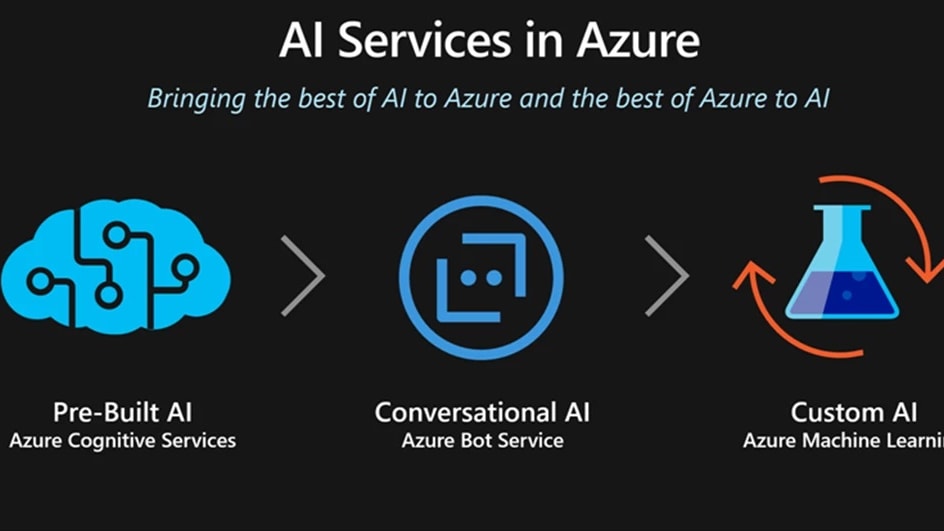
Azure's vast services landscape dives headfirst into the world of artificial intelligence and cognitive computing
Azure's vast landscape of services dives deep into the world of artificial intelligence and cognitive computing. With tools like Azure Speech Service for converting spoken language into text and Azure Vision for image analysis, it sets a high benchmark. Another feather in its cap, the Azure Text Analytics API, allows for sentiment analysis, key phrase extraction, and language detection.
In contrast, DigitalOcean, while a powerhouse in cloud infrastructure and hosting solutions, does not venture extensively into the AI & cognitive arena. For businesses eyeing advancements in AI-driven solutions and cognitive capabilities, Azure emerges as a more compelling choice.
DigitalOcean Outperforms Azure in Database Management
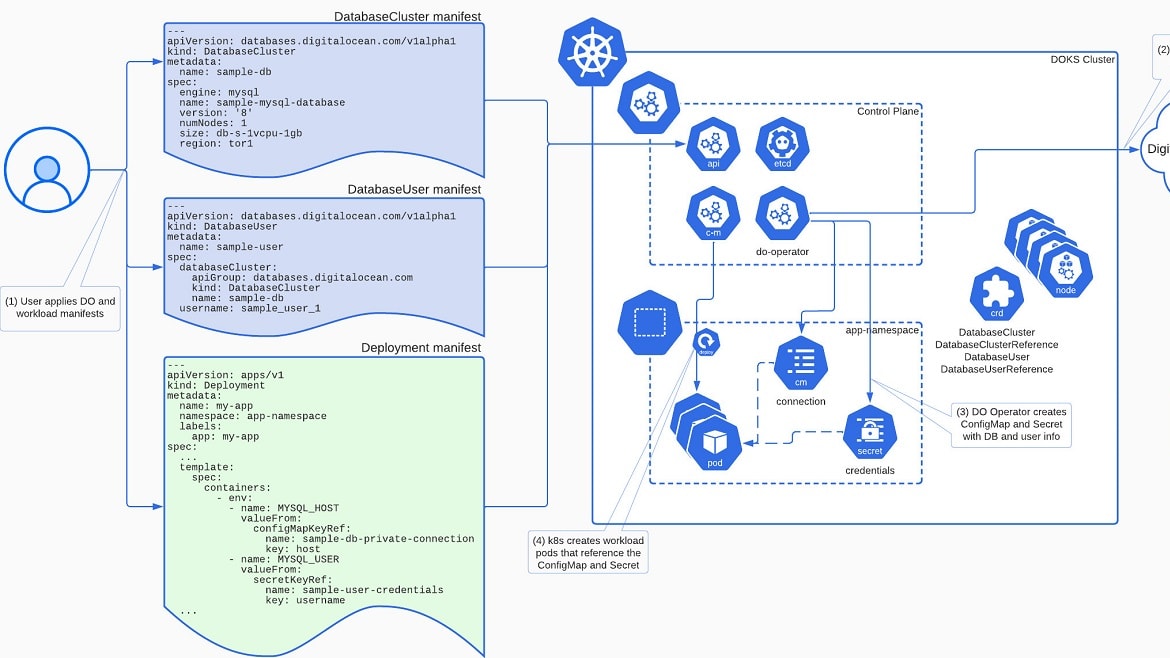
Catering to modern needs, it provides fully managed MySQL, PostgreSQL, and Redis databases.
In the realm of cloud-hosted databases, DigitalOcean has made strides with its straightforward offerings. Catering to modern needs, it provides fully managed MySQL, PostgreSQL, and Redis databases. For instance, with just a few clicks, developers can set up a MySQL cluster, enabling automatic failovers. This simplicity liberates technical teams, letting them direct their energies toward innovative tasks instead of routine maintenance.
Azure, while undeniably versatile with services like Azure SQL Database and Cosmos DB, has a more intricate setup process. While both platforms deliver robust database services, DigitalOcean's emphasis on user-friendliness and reduced overhead arguably gives it a slight advantage for those prioritizing ease and efficiency.
Azure Excels in Scalability over DigitalOcean

With Azure Scale Sets, businesses can effortlessly scale virtual machine instances, adapting to different workloads and optimizing costs.
Scalability sits at the core of successful cloud infrastructures, adjusting to the ever-evolving demands of digital enterprises. Azure, with its wide array of services and global infrastructure, embodies this principle. Using Azure Scale Sets, businesses can effortlessly scale virtual machine instances, harmonizing with varying workloads and optimizing costs.
In the same vein, DigitalOcean offers scalability via its Flexible Droplets feature, allowing dynamic resource adjustments. Yet, when delving deeper, Azure's scalability mechanisms, such as Azure Kubernetes Service (AKS) auto-scaling, grant users a more granular level of control, ensuring precision and robustness. Consequently, for those seeking unmatched scalability prowess, Azure's offerings often take center stage.
Azure’s Data Analytics Surpasses DigitalOcean’s Calculation

Azure destaca en este sentido con ofertas como Azure Databricks y Azure Machine Learning.
In the era of big data, possessing robust analytics and machine learning tools has become paramount. Azure stands tall in this regard with offerings like Azure Databricks and Azure Machine Learning. These tools not only support vast data processing but also aid in deriving actionable insights. For instance, Azure Databricks can effortlessly integrate with other Azure services, paving the way for complex data workflows.
DigitalOcean, on its end, does cater to computational needs essential for app development. However, when it comes to deep data analytics, pattern recognition, and processing large data sets, Azure’s comprehensive toolset undeniably offers a more advanced spectrum of capabilities.
DigitalOcean Surpasses Azure in User-Friendliness

DigitalOcean has made a name for itself by offering a simple platform with a straightforward, user-friendly interface.
When it comes to ease-of-use, DigitalOcean shines. As a cloud hosting provider, DigitalOcean has made a name for itself by providing a no-nonsense platform with a straightforward and user-friendly interface. This is particularly suited to startups and SMEs, who require a simple but effective solution to their cloud hosting needs.
Azure, while being comprehensive and powerful, has a complex interface that might be overwhelming to beginners or small teams. It offers robust services and features but navigating through them can be a challenge even for seasoned developers.
Therefore, if ease-of-use is your primary concern, DigitalOcean would be the better choice. It offers a platform where one can efficiently perform tasks without getting lost in a sea of options.
Azure Excels Over DigitalOcean in Integration Flexibility

The backend systems can include software as a service (SaaS) systems, Azure services, and existing web services in your enterprise.
On the other hand, when it comes to integration capabilities, Azure takes the lead. Microsoft's Azure boasts a vast array of integration possibilities. Its compatibility with various Microsoft tools like Office 365, Outlook, and Dynamics CRM, as well as third-party apps, provides a seamless experience for users. These integrations enable businesses to build, deploy, and manage applications more effectively.
In comparison, DigitalOcean does offer integration options, but they mostly revolve around its native tools and are somewhat limited when compared to Azure. While DigitalOcean can be an incredible tool for smaller, less complex projects, Azure's extensive integration capabilities make it a wise choice for larger enterprises or projects requiring substantial collaborations.
Both DigitalOcean and Azure Provide Robust Object Storage Options
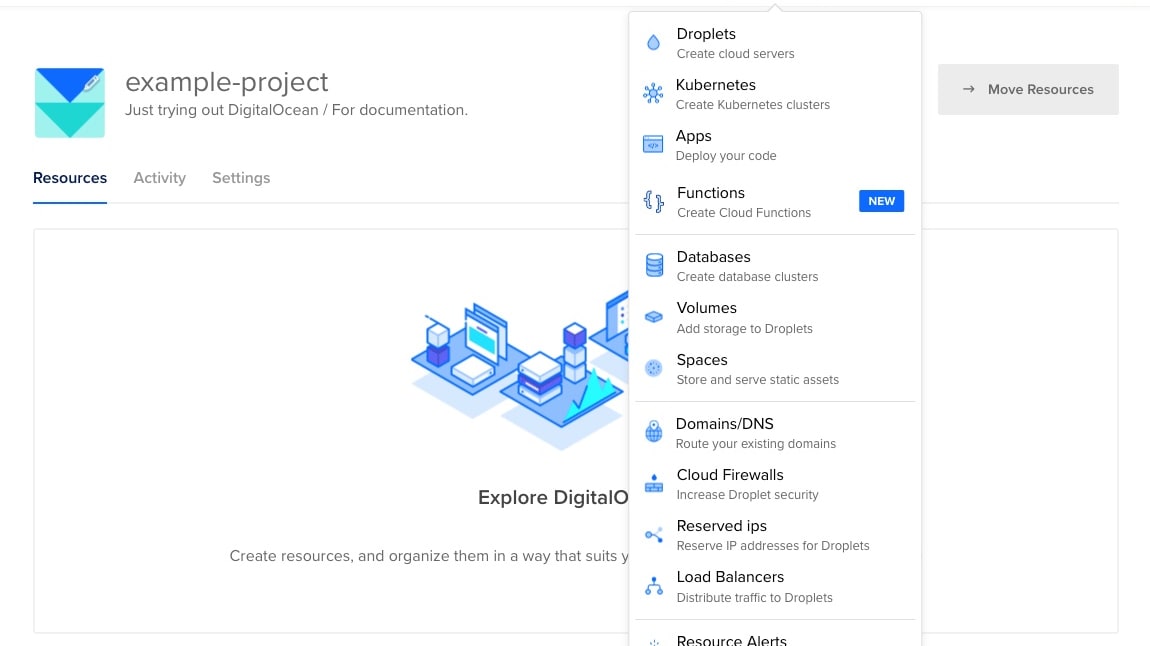
Spaces, DigitalOcean's object storage solution, is not only designed for security and scalability, but also boasts features such as easy data migration and automatic backups.
In the cloud ecosystem, dependable object storage is non-negotiable, and both DigitalOcean and Azure excel in this arena. DigitalOcean's Spaces, its object storage solution, is not only designed for security and scalability but also boasts of features like easy data migration and automatic backups. For instance, users can quickly integrate Spaces with popular content delivery networks, ensuring faster data delivery.
On the flip side, Azure's Blob Storage offers a wealth of capabilities. From hot and cool data storage tiers to geographically distributed data replication, Azure ensures optimal data access speed and resilience. In essence, both platforms provide sterling object storage services, tailored to varied needs.
08 DigitalOcean vs Microsoft Azure: Which is the best for your business?
DigitalOcean is the best tool for you if:
- You prioritize a straightforward, user-friendly interface for quick cloud deployment without steep learning curves.
- Your focus is primarily on web hosting, virtual private servers, and simplicity in cloud infrastructure management.
- You are a startup or SME looking for cost-effective solutions without compromising on performance and reliability.
- You value community support, rich documentation, and tutorials that aid in smooth platform navigation and troubleshooting.
- You seek scalable solutions like Droplets and Kubernetes but don't require extensive enterprise-level services.
 You prioritize a straightforward, user-friendly interface for quick cloud deployment without steep learning curves.
Microsoft Azure is the best tool for you if:
- You require extensive integration capabilities, especially with Microsoft products like Office 365, Dynamics, and Power BI.
- Your enterprise demands advanced AI, machine learning, and data analytics tools for in-depth insights and automation.
- You prioritize global scalability, needing vast data centers and redundancy options for worldwide business operations.
- You're invested in hybrid cloud solutions, looking for seamless on-premises and cloud resource interconnectivity and synchronization.
- You need comprehensive security features, compliance certifications, and multi-layered protection for sensitive business data.
DigitalOcean
Used by 6978 members
$200 in credits
Save up to $200
Microsoft Azure
Used by 2421 members
$5,000 in credits for 6 months if you didn't raise funds // Up to $150,000 in credits for 2 years if you did
Save up to $150,000
09 Alternatives to DigitalOcean & Microsoft Azure

Google Cloud (GCP)
Used by 11285 members
$2,000 in credits for 1 year if you never raised funds // $350,000 in credits for 2 years if you did
Save up to $350,000

AWS Activate
Used by 6116 members
Up to $100,000 in credits or 20-50% off your monthly spend through an AWS partner (must be spending $100+/month)
Save up to $300,000

Hostinger
Used by 1584 members
Additional 10% off on all 12/24/48-monthly plan purchases
Save up to $144

OVHcloud
Used by 1557 members
€10,000 in credits for 1 year
Save up to $10,000
10 Promotions on Cloud Storage and AI Development software
DigitalOcean and Microsoft Azure are great tools, but Secret offers promo codes with discounts on over 2190+ different SaaS solutions. New deals are added regularly, helping you save money on your online subscriptions. Get access to codes for other Cloud Storage and AI Development software you might want to purchase
AWS Activate promotion code
Up to $100,000 in credits or 20-50% off your monthly spend through an AWS partner (must be spending $100+/month)

Promo code Gemini API
$300 Gemini API credit
Google Cloud (GCP) discounts
$2,000 in credits for 1 year if you never raised funds // $350,000 in credits for 2 years if you did

Apify promo
20% off monthly plans for 3 months
OVHcloud discounts
€10,000 in credits for 1 year

Deal for Webflow
1 year free on a CMS site plan
Deal for Hostinger
Additional 10% off on all 12/24/48-monthly plan purchases

GitLab promo code
12 months free on the Ultimate license

Promo codes for Cloudways
30% off for 3 months

Animoto offer
50% off annual plans
Start saving on the best SaaS
Secret has already helped tens of thousands of startups save millions on the best SaaS like Microsoft Teams, Google Workspace & many more. Join Secret now to buy software the smart way.