


Selecting the right cloud data platform for your business is crucial for efficient data management and analytics. These platforms play a vital role in providing a foundation for data storage, processing, and analysis, which are essential for data-driven decision-making. Fortunately, there are two prominent options in the market to consider: Snowflake vs Azure. However, deciding between these two cloud data platforms can be a challenging task.
That's why we've prepared this comprehensive comparison of Snowflake vs Azure. In this comparison, we will delve into their key features and highlight the main differences between these platforms. Our goal is to provide you with the information you need to make an informed decision and choose the best cloud data platform for your specific business needs. Whether you're looking for scalable data warehousing, advanced analytics capabilities, or a combination of both, this comparison will help you navigate the landscape and make the right choice for your organization's data management and analytics requirements.
- 01 Snowflake vs Microsoft Azure: overview
- 02 What's the difference between Snowflake and Microsoft Azure?
- 03 Snowflake pros and cons
- 04 Microsoft Azure pros and cons
- 05 Snowflake compared to Microsoft Azure
- 06 Microsoft Azure compared to Snowflake
- 07 Features comparison
- 08 Snowflake vs Microsoft Azure: Which is the best for your business?
- 09 Alternatives to Snowflake & Microsoft Azure
- 10 Promotions on Cloud Storage software
Start saving on the best SaaS
Secret has already helped tens of thousands of startups save millions on the best SaaS like Microsoft Teams, Google Workspace & many more. Join Secret now to buy software the smart way.

01 Snowflake vs Microsoft Azure: overview
Snowflake and Azure are two prominent contenders in the domain of cloud data platforms, each tailored to distinct data management and analytics requirements.
Snowflake is renowned for its scalable and cloud-native architecture, making it a strong choice for organizations seeking a modern and agile data warehouse solution. It excels in delivering data warehousing capabilities that are easy to scale, manage, and integrate with various data sources. On the other hand, Azure offers a wide range of data services under its umbrella, catering to diverse business needs. Azure Synapse Analytics, formerly known as Azure SQL Data Warehouse, is part of the Azure ecosystem and is celebrated for its data warehousing and advanced analytics capabilities.
Now, let's delve into the Snowflake vs. Azure comparison to help you make an informed decision when choosing the right cloud data platform for your specific data management and analytics requirements.

Pricing Plan
Snowflake offers usage-based pricing, which can be cost-effective but unpredictable. Azure has a more complex pricing structure but provides more options, including pay-as-you-go and reserved instances.

Snowflake
Microsoft Azure
Customer Reviews
Snowflake is often praised for its ease of use and scalability in data warehousing. Azure, as a comprehensive cloud platform, is appreciated for its wide range of services and integration capabilities.
Snowflake
Microsoft Azure
Ecosystem & community
Snowflake has a growing ecosystem and user community, particularly in data analytics. Azure benefits from Microsoft's vast ecosystem, with a huge community, extensive resources, and enterprise-level partnerships.
Snowflake
Microsoft Azure
Security features
Snowflake provides robust security features tailored for data warehousing. Azure offers a comprehensive suite of security and compliance features, benefiting from Microsoft's broad focus on enterprise security.
Snowflake
Microsoft Azure
Customer Support
Snowflake provides dedicated support and a strong knowledge base. Azure offers extensive support resources, including premium support options, documentation, and community forums.
Snowflake
Microsoft Azure
Ease of Use
Snowflake is known for its user-friendly interface and simpler data warehousing solutions. Azure, while powerful, has a steeper learning curve due to its broad range of services and configurations.
Snowflake
Microsoft Azure
Global reach
Snowflake has a strong global presence with its data warehousing solutions. Azure, with its extensive network of global data centers, offers a broader reach and is well-suited for international operations.
Snowflake
Microsoft Azure
Data processing capabilities
Snowflake is highly optimized for data processing and analytics, offering fast query performance. Azure provides a wide range of data processing services but can be more complex to optimize for specific tasks.
Snowflake
Microsoft Azure
Scalability
Snowflake's architecture allows for near-instantaneous scaling for data processing. Azure offers comprehensive scalability across its services, catering to large-scale enterprise needs.
Snowflake
Microsoft Azure
Integrations
Snowflake integrates well with many data tools and services, including Tableau, Okta, and Talend. Azure provides extensive integration options across its vast array of cloud services, including AI, IoT, and analytics.
Snowflake
Microsoft Azure
02 What's the difference between Snowflake and Microsoft Azure?

Snowflake is primarily known for its robust and cloud-native data warehousing capabilities.
Snowflake
One cloud platform for analytics, AI, and applications

Azure is a comprehensive cloud ecosystem offered by Microsoft.
Microsoft Azure
Microsoft Azure empowers you to centralize and streamline your cloud-based applications and services effortlessly. Say goodbye to the complexity of managing various cloud resources individually.
When evaluating Snowflake and Azure, it's crucial to understand their key differences to make an informed decision for your data management and analytics needs. The primary distinction between these two cloud data platforms lies in their use cases and offerings.
Snowflake is primarily known for its robust and cloud-native data warehousing capabilities. It is designed to handle data storage, processing, and analytics in a scalable and flexible manner. Snowflake excels in providing a platform that can accommodate a wide range of data workloads and use cases, making it suitable for organizations looking to modernize their data infrastructure and harness the power of cloud analytics. Its architecture allows for seamless scaling and efficient data sharing among users and partners.
On the other hand, Azure is a comprehensive cloud ecosystem offered by Microsoft. Within Azure, you'll find various data services, including Azure Synapse Analytics (formerly known as Azure SQL Data Warehouse), which caters to data warehousing and advanced analytics needs. Azure's strength lies in its ability to provide an integrated environment where you can access a wide array of cloud services, including AI, machine learning, IoT, and more. It's an excellent choice for businesses already invested in the Microsoft ecosystem or those looking for a unified cloud platform to support various aspects of their operations.
Another significant difference between Snowflake and Azure is their pricing models and offerings. Snowflake typically follows a pay-as-you-go model, allowing you to pay for the resources you use, while Azure offers flexible pricing options, including pay-as-you-go, reserved instances, and enterprise agreements. The choice between the two will depend on your budget and scalability requirements.

Snowflake
Used by 163 members
$1,250 in credits
Save up to $1,250

Microsoft Azure
Used by 2398 members
$5,000 in credits for 6 months if you didn't raise funds // Up to $150,000 in credits for 2 years if you did
Save up to $150,000
03 Snowflake pros and cons
What are the advantages of Snowflake?
- Scalability: Snowflake is highly scalable, allowing you to easily resize and adjust your compute resources to accommodate growing data volumes and analytic workloads. This flexibility ensures your system can handle increasing data demands.

- Performance: Snowflake's architecture separates storage and compute, which enhances query performance and allows for efficient data processing. It also automatically optimizes and caches query results for faster retrieval.
- Ease of use: Snowflake offers an intuitive, SQL-based interface that is easy for data analysts and SQL users to work with. It requires minimal setup and administration, reducing the need for specialized IT skills.
- Security: Snowflake places a strong emphasis on security, providing features such as data encryption, role-based access control, and auditing to ensure the confidentiality, integrity, and compliance of your data.
- Data sharing: Snowflake enables seamless data sharing between organizations, departments, or partners without the need for complex ETL processes. This feature facilitates collaboration and data monetization opportunities.
What are the disadvantages of Snowflake?
- Cost: While Snowflake offers scalability, it can also be expensive as you pay for both storage and compute resources. The costs can add up, especially for large-scale data operations, and may require careful budget management.

- Vendor lock-in: Using Snowflake ties you to a specific cloud provider, as it operates exclusively on major cloud platforms like AWS, Azure, and GCP. This can limit your flexibility in choosing cloud vendors.
- Complexity for complex use cases: While Snowflake is user-friendly, it may not be the best choice for extremely complex data transformations or custom data processing workflows, where a more specialized tool might be required.
- Latency: Although Snowflake provides excellent query performance, there may still be latency in executing complex queries, particularly when dealing with very large datasets or complex analytical workloads.
- Lack of real-time processing: Snowflake is primarily designed for batch processing and analytical queries. Real-time data processing and streaming analytics may require additional tools and integration.
Compare Snowflake to other tools


Confluent vs Snowflake

Databricks vs Snowflake

Snowflake vs AWS Activate
04 Microsoft Azure pros and cons
What are the advantages of Microsoft Azure?
- Comprehensive service portfolio: Azure offers a vast array of cloud services, including computing, storage, databases, analytics, AI, machine learning, IoT, and more. This comprehensive service portfolio allows organizations to address a wide range of business needs and applications within a single platform.
- Integration with Microsoft ecosystem: Azure seamlessly integrates with other Microsoft products and services, such as Windows Server, Active Directory, Office 365, and Power BI. This can be highly beneficial for organizations already using Microsoft technologies, as it simplifies deployment and management.
- Global presence: Azure has a widespread global network of data centers, providing low-latency access to resources in various regions. This global presence is advantageous for businesses with a global footprint or those aiming to serve customers in multiple geographic locations.
- Security and compliance: Azure places a strong emphasis on security and compliance, offering robust features like Azure Active Directory, encryption, advanced threat detection, and compliance certifications (e.g., GDPR, HIPAA). This makes it suitable for industries with stringent security and regulatory requirements.
- Scalability and flexibility: Azure provides scalable infrastructure and services that can grow or shrink based on demand. It offers flexibility in terms of payment models, including pay-as-you-go, reserved instances, and hybrid cloud deployments, allowing organizations to optimize costs.
What are the disadvantages of Microsoft Azure?
- Complexity: Azure's extensive service catalog can be overwhelming, especially for newcomers. Navigating the platform and configuring services may require a learning curve, and organizations may need specialized expertise for effective deployment.
- Cost management: While Azure offers cost management tools, managing expenses can be challenging, especially for organizations with dynamic workloads. Without proper monitoring and governance, costs can escalate quickly.
- Vendor lock-in: Like other major cloud providers, Azure can create a vendor lock-in situation. Migrating applications and data out of Azure to another cloud provider or on-premises can be complex and costly.
- Service outages: While Azure strives for high availability, service outages and disruptions can still occur. Organizations must have robust disaster recovery and redundancy strategies in place to mitigate these risks.
- Complex billing and licensing: Azure's billing and licensing models can be intricate, making it essential to carefully monitor usage and understand the various pricing tiers and options to avoid unexpected expenses.
Compare Microsoft Azure to other tools


Microsoft Azure vs Microsoft SharePoint

DigitalOcean vs Microsoft Azure
Microsoft Azure vs AWS Activate

Microsoft Azure vs Google Cloud (GCP)

Microsoft Azure vs OneDrive

Microsoft Azure vs Microsoft 365
05 Snowflake compared to Microsoft Azure
Snowflake and Azure are two leading cloud data platforms, each with distinct strengths. Snowflake is renowned for its cloud-native data warehousing, offering scalability and performance for data analytics. Its separation of storage and compute optimizes query processing.
In contrast, Azure provides a comprehensive cloud ecosystem with a wide range of services, including Azure Synapse Analytics for data warehousing. Azure's integration with Microsoft products is advantageous for users already invested in the Microsoft ecosystem. When deciding between Snowflake and Azure, consider your specific data needs and preferences for a specialized data warehouse solution or a more comprehensive cloud platform.
Is Snowflake better than Microsoft Azure?
 Is Snowflake better than Microsoft Azure?
When comparing Snowflake and Azure, it's essential to delve beyond their basic strengths in cloud data management. Snowflake's exceptional data sharing capabilities stand out, allowing businesses to securely share governed data across various groups. This feature is especially beneficial for organizations that prioritize data collaboration.
Meanwhile, Azure scores with its robust security and compliance offerings, a critical consideration in today's data-sensitive environment. Azure's global network of data centers also ensures high availability and disaster recovery capabilities.
What is Snowflake best used for?
Snowflake is best used for cloud-native data warehousing and advanced data analytics. It excels in managing large volumes of structured and semi-structured data, making it ideal for organizations seeking a modern, scalable, and high-performance data storage and processing solution.
Snowflake's architecture separates storage from compute, allowing for on-demand scalability and cost-efficiency. It is well-suited for data analytics, data sharing, and building data-driven applications. Snowflake is commonly chosen by businesses looking to centralize their data, streamline analytics workflows, and leverage the power of the cloud for data processing and insights.
Can Snowflake replace Microsoft Azure?
Snowflake and Azure serve different roles within the cloud computing landscape. Snowflake is primarily a cloud-native data warehousing platform, excelling in data storage, processing, and analytics. It can be used alongside Azure services for specific data needs. However, Snowflake doesn't replace Azure entirely, as Azure offers a broader spectrum of cloud services, including computing, AI, IoT, and more.
The choice between Snowflake and Azure depends on specific business requirements. Organizations can leverage both platforms in a complementary manner, using Snowflake for advanced data analytics and Azure for a wide array of cloud computing needs within a cohesive ecosystem.
Is Snowflake cheaper than Microsoft Azure?
The cost comparison between Snowflake and Azure can vary significantly depending on the specific usage patterns, workloads, and configurations. Snowflake’s pricing structure employs a pay-as-you-go model based on storage and compute resources, while Azure offers various pricing options, including pay-as-you-go, reserved instances, and more.
In some scenarios, Snowflake may be more cost-effective for data warehousing and analytics, particularly for organizations with fluctuating workloads. However, Azure's flexibility and comprehensive suite of services may offer cost advantages for businesses leveraging a wide range of cloud functionalities.
Is there a better Cloud Storage software than Snowflake?
Determining if there's a superior software to Snowflake depends on your specific data management and analytics needs. Several alternatives cater to different aspects of data processing and storage.
Alternatives to Snowflake include Amazon Redshift, Google BigQuery, MongoDB, and Microsoft Azure Synapse Analytics, each with its strengths and capabilities. For instance, Amazon Redshift is known for its performance in data warehousing, while Google BigQuery excels in serverless data analytics. The choice of the best software depends on your organization's data volume, complexity, integration requirements, and cloud provider preference.

Snowflake
Premium
One cloud platform for analytics, AI, and applications
$1,250 in credits
Save up to $1,250
06 Microsoft Azure compared to Snowflake
Azure and Snowflake are distinct cloud platforms that serve different purposes. Azure is a comprehensive cloud ecosystem offered by Microsoft, encompassing a wide range of services beyond data warehousing, such as computing, AI, IoT, and more.
Snowflake, on the other hand, is a specialized cloud-native data warehousing solution known for its scalability and performance in data analytics. While Azure offers a broader set of tools and services, Snowflake excels specifically in data storage, processing, and analytics. The choice between Azure and Snowflake depends on your organization's specific needs, with the potential to integrate both platforms for a comprehensive cloud solution.
Is Microsoft Azure better than Snowflake?
Choosing between Azure and Snowflake often hinges on the broader context of organizational needs. Azure's advantage lies in its seamless integration with a plethora of Microsoft services, making it a formidable choice for those already embedded in the Microsoft ecosystem. Its versatility extends to various domains like AI, IoT, and machine learning, providing a holistic cloud solution. Furthermore, Azure's robust security features and extensive global infrastructure ensure reliable data management and scalability.
In contrast, Snowflake's focus on data warehousing means it lacks Azure's breadth. Organizations seeking an all-encompassing cloud platform with diverse capabilities might find Azure a more fitting choice than the more specialized Snowflake.
What is Microsoft Azure best used for?
Azure is best used for a wide array of cloud computing needs. It excels in providing cloud services for computing, storage, databases, analytics, machine learning, and more. Azure is particularly advantageous for organizations that rely on Microsoft technologies, as it seamlessly integrates with products like Windows Server, Office 365, and Azure Active Directory. It supports businesses with diverse requirements, from hosting web applications and virtual machines to implementing advanced AI and IoT solutions.
Azure's global network of data centers ensures low-latency access to resources, making it suitable for organizations with a global presence or those looking to serve customers worldwide.
Can Microsoft Azure replace Snowflake?
Azure and Snowflake serve different primary purposes within the realm of data management and analytics. Azure offers a comprehensive cloud ecosystem with various services, including Azure Synapse Analytics for data warehousing. While it can accommodate data warehousing needs, Snowflake specializes in cloud-native data warehousing with a focus on performance and scalability.
Azure does provide alternatives to Snowflake, but replacing Snowflake entirely with Azure may not be straightforward, as it involves distinct architectures and capabilities. Organizations should carefully evaluate their specific data management requirements, performance expectations, and integration needs to determine the best combination of Azure and Snowflake, if necessary.
Is Microsoft Azure cheaper than Snowflake?
The cost comparison between Azure and Snowflake can vary widely based on usage patterns and specific configurations. Azure’s pricing structure offers a diverse range of pricing options, including pay-as-you-go, reserved instances, and various service tiers, making it flexible to adapt to different budgets and requirements.
Snowflake, on the other hand, follows a pay-as-you-go model based on storage and compute resources. The relative cost-effectiveness of Azure versus Snowflake depends on factors such as data volume, workload complexity, scalability needs, and usage patterns.
Is there a better AI Development software than Microsoft Azure?
Determining whether there's a better software than Azure depends on your specific cloud computing needs and objectives. Several alternatives cater to diverse business requirements.
Alternatives to Azure include AWS (Amazon Web Services), Google Cloud Platform (GCP), and IBM Cloud, each offering unique strengths. For instance, AWS is renowned for its vast service catalog and mature infrastructure, while GCP is known for its data analytics and machine learning capabilities. The choice of the optimal cloud platform depends on factors such as workload type, scalability, integration requirements, and cost considerations.

Microsoft Azure
Premium
Empowering your cloud journey with Microsoft Azure
$5,000 in credits for 6 months if you didn't raise funds // Up to $150,000 in credits for 2 years if you did
Save up to $150,000
07 Features comparison
Snowflake Outperforms Azure in Cross-Platform Integration

Snowflake's architecture is built to seamlessly connect with diverse data sources, various cloud platforms, and a wide array of analytical tools.
Snowflake triumphs over Azure when it comes to cross-platform integration. Snowflake's architecture is built to seamlessly connect with diverse data sources, various cloud platforms, and a wide array of analytical tools. This level of flexibility and compatibility empowers organizations to create unified data ecosystems that span different technologies and platforms.
For example, Snowflake can effortlessly integrate with sources such as Amazon S3, Google Cloud Storage, and Azure Blob Storage, providing a unified data repository that spans multiple cloud providers. It also offers native connectors to popular BI tools like Tableau and Power BI, streamlining data visualization and analytics.
Azure, while offering flexibility in choosing programming languages, frameworks, and operating systems, doesn't match the broad and versatile integration capacity that Snowflake provides. Azure's integration capabilities are more oriented toward its ecosystem of Microsoft products and services.
Snowflake and Azure Both Empower Business Growth with Scalable Data Warehousing and Flexible Infrastructures

Snowflake allows users to effortlessly scale their data warehousing capabilities, adjusting storage and compute resources to match evolving workloads.
Snowflake and Azure share a common strength in facilitating business growth by providing scalable solutions for evolving data requirements. Snowflake's scalable architecture, combined with Azure's robust infrastructure, ensures that organizations can seamlessly expand their operations as their data demands increase.
For example, Snowflake allows users to effortlessly scale their data warehousing capabilities, adjusting storage and compute resources to match evolving workloads. This scalability is particularly advantageous for businesses experiencing fluctuating data volumes or rapid expansion.
Azure complements this by offering the ability to scale resources up or down on-demand. Whether it's increasing virtual machine capacity, expanding cloud storage, or adding more computing power, Azure's scalability supports a wide range of growth scenarios.
Snowflake Shines in User-Friendliness, Outpacing Azure's Technical Complexity

Snowflake distinguishes itself from Azure through its exceptional user-friendliness.
Snowflake distinguishes itself from Azure through its exceptional user-friendliness. Its intuitive web interface simplifies data querying and exploration, making it accessible even to users with limited technical expertise. For example, data analysts can easily write SQL queries without extensive coding knowledge, streamlining the data analysis process.
In contrast, Azure often demands a higher level of technical skill, presenting a steeper learning curve. This complexity can pose challenges for teams seeking a more straightforward data management solution. Moreover, Snowflake's resource allocation capabilities contribute to cost-efficient management, further emphasizing its ease of use for organizations.
Azure Leads in Data Analytics with Advanced Tools
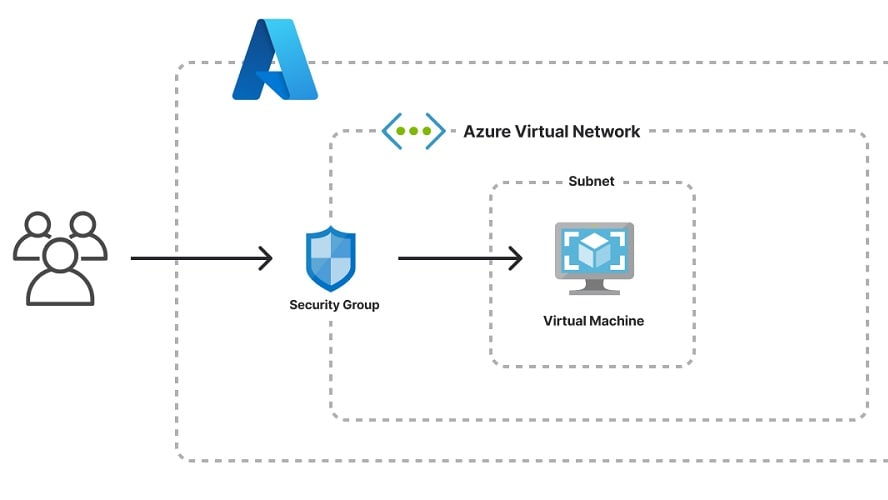
It boasts an extensive suite of advanced analytics and machine learning tools that empower users to process, analyze, and derive valuable insights from vast datasets efficiently.
Azure holds the upper hand in data analytics. It boasts an extensive suite of advanced analytics and machine learning tools that empower users to process, analyze, and derive valuable insights from vast datasets efficiently. For instance, Azure Machine Learning allows businesses to build, train, and deploy machine learning models for predictive analytics and data-driven decision-making.
Snowflake, on the other hand, offers advanced AI features geared toward optimizing data workflows and data classification. While these capabilities are valuable for data management and processing, Snowflake lacks the dedicated analytical tools that Azure provides. This can be a deciding factor for organizations seeking a comprehensive data analytics solution with robust machine learning capabilities.
Azure Outshines Snowflake in Comprehensive Cognitive Services

Azure offers a comprehensive suite of AI services, including speech recognition, image analysis, and natural language processing, empowering organizations to harness the full potential of AI for various applications.
When it comes to artificial intelligence (AI) and cognitive capabilities, Azure takes the lead over Snowflake. Azure offers a comprehensive suite of AI services, including speech recognition, image analysis, and natural language processing, empowering organizations to harness the full potential of AI for various applications. For instance, Azure's Computer Vision API enables image recognition, while its Language Understanding (LUIS) service facilitates natural language understanding for chatbots and voice assistants.
On the other hand, Snowflake's AI-powered features primarily center around workflow optimization and data classification. While valuable for data management, Snowflake's AI capabilities do not match Azure's breadth and depth in AI services.
Snowflake Offers More Focused Financial Incentives Compared to Azure

Snowflake offers free credits tailored for the rapid development and scaling of data-driven applications.
When it comes to optimizing business finances, Snowflake and Azure take different approaches. Snowflake offers free credits tailored for the rapid development and scaling of data-driven applications. Startups and businesses can leverage these credits to streamline application development, allocate resources efficiently, and accelerate their data-centric projects. For example, a startup can utilize Snowflake's credits to enhance the development of a real-time data analytics dashboard, a critical component for decision-making.
Conversely, Azure provides up to $150,000 in credits, which can be applied across various cloud infrastructure needs. While this credit is valuable for cloud-related expenses, it lacks the specific focus on application development that Snowflake's offering provides. Azure's credits may be advantageous for organizations seeking to optimize infrastructure costs, such as cloud server usage or storage.
Azure Excels Ahead of Snowflake with Microsoft Ecosystem Integrations

Azure stands out with its vast service range and seamless integration with Microsoft's ecosystem
Both Snowflake and Azure offer robust integration possibilities. However, Azure stands out with its vast service range and seamless integration with Microsoft's ecosystem, including Office 365 and Dynamics 365. For businesses deeply rooted in the Microsoft environment, this native integration can be a significant advantage, streamlining workflows and data sharing. Snowflake, on the other hand, shines in its adaptability to various data pipelines. It offers smooth compatibility with both ETL (Extract, Transform, Load) and ELT (Extract, Load, Transform) processes, enhancing data management flexibility.
For example, Snowflake can seamlessly integrate with data sources from multiple platforms, allowing for unified data processing and analytics. This is particularly beneficial for organizations dealing with diverse data sets and sources. While Azure's comprehensive service portfolio provides a broad spectrum of integration possibilities, Snowflake's flexibility caters to businesses with complex data pipeline requirements. Ultimately, the choice between Azure and Snowflake for integration depends on the specific needs and ecosystems of your organization.
08 Snowflake vs Microsoft Azure: Which is the best for your business?
Snowflake is the best tool for you if:
- Your organization requires a platform that excels in data sharing and collaboration, with advanced features for secure and governed data exchange across various groups.
- You're looking for a user-friendly data warehousing solution that enables easy data querying and analysis, even for those with limited technical expertise, enhancing your team's efficiency.
- Scalability is a priority, as Snowflake's unique architecture allows for seamless scaling of data storage and compute resources, adapting swiftly to your changing data needs.
- You need a system that integrates smoothly with a multitude of data sources and analytical tools, fostering a versatile and unified data ecosystem for diverse workflows.
- Cost efficiency in resource management is crucial for your business, as Snowflake's separate storage and compute scaling helps optimize costs while maintaining high-performance data processing.
 Your organization requires a platform that excels in data sharing and collaboration, with advanced features for secure and governed data exchange across various groups.
Microsoft Azure is the best tool for you if:
- Your business is deeply integrated with the Microsoft ecosystem, and you seek a cloud platform that seamlessly connects with services like Office 365 and Dynamics 365.
- You require a comprehensive cloud solution that not only offers data warehousing but also encompasses computing, AI, IoT, and a broad spectrum of cloud services.
- Advanced analytics and machine learning tools are essential for your data processing and insights generation, as Azure provides an extensive suite of these advanced capabilities.
- You prioritize robust security and compliance features, alongside a global infrastructure network that ensures high availability and effective disaster recovery for your data.
- Scalability in various domains, from increasing virtual machine capacity to expanding cloud storage, is vital to support a wide range of your organizational growth scenarios.
Snowflake
Used by 163 members
$1,250 in credits
Save up to $1,250
Microsoft Azure
Used by 2398 members
$5,000 in credits for 6 months if you didn't raise funds // Up to $150,000 in credits for 2 years if you did
Save up to $150,000
09 Alternatives to Snowflake & Microsoft Azure

Google Cloud (GCP)
Used by 11249 members
$2,000 in credits for 1 year if you never raised funds // $350,000 in credits for 2 years if you did
Save up to $350,000

DigitalOcean
Used by 6930 members
$200 in credits
Save up to $200

mongoDB
Used by 800 members
$500 in credits for 1 year
Save up to $500

Microsoft for Startups
Used by 496 members
$5,000 credit for 6 months
Save up to $5,000
10 Promotions on Cloud Storage and AI Development software
Snowflake and Microsoft Azure are great tools, but Secret offers promo codes with discounts on over 2190+ different SaaS solutions. New deals are added regularly, helping you save money on your online subscriptions. Get access to codes for other Cloud Storage and AI Development software you might want to purchase
DigitalOcean promo code
$200 in credits

Credits for Gemini API
$300 Gemini API credit

Discount for AWS Activate
Up to $100,000 in credits or 20-50% off your monthly spend through an AWS partner (must be spending $100+/month)

Webflow coupon
1 year free on a CMS site plan
Google Cloud (GCP) discount
$2,000 in credits for 1 year if you never raised funds // $350,000 in credits for 2 years if you did

GitLab coupon code
12 months free on the Ultimate license

OVHcloud discount
€10,000 in credits for 1 year

Animoto promo code
50% off annual plans

Hostinger coupon
Additional 10% off on all 12/24/48-monthly plan purchases

Deal for GitHub
$10,000 in credits for 12 months
Start saving on the best SaaS
Secret has already helped tens of thousands of startups save millions on the best SaaS like Microsoft Teams, Google Workspace & many more. Join Secret now to buy software the smart way.