





An effective e-commerce platform is not just about selling products; it's about creating a seamless and integrated shopping experience. Central to this is the management of customer interactions, product data, and sales processes, which directly impact your online store’s success and your understanding of customer preferences and behaviors.
In this article, we explore the nuances of two leading e-commerce solutions, WooCommerce and Shopify. Both platforms offer robust tools for building and managing online stores, yet they cater to different needs and technical proficiencies—WooCommerce is a flexible, open-source plugin for WordPress users, while Shopify is a comprehensive, hosted e-commerce platform that streamlines the setup and management of an online store.
- 01 Woocommerce vs Shopify: overview
- 02 What's the difference between Woocommerce and Shopify?
- 03 Woocommerce pros and cons
- 04 Shopify pros and cons
- 05 Woocommerce compared to Shopify
- 06 Shopify compared to Woocommerce
- 07 Features comparison
- 08 Woocommerce vs Shopify: Which is the best for your business?
- 09 Alternatives to Woocommerce & Shopify
- 10 Promotions on E Commerce software
Start saving on the best SaaS
Secret has already helped tens of thousands of startups save millions on the best SaaS like Microsoft Teams, Google Workspace & many more. Join Secret now to buy software the smart way.

01 Woocommerce vs Shopify: overview
WooCommerce and Shopify are two of the most prominent players in the e-commerce platform arena, each bringing distinct advantages tailored to different types of businesses and their online commerce needs.
WooCommerce is renowned for its adaptability and deep integration with WordPress, making it an ideal choice for those who have already invested in the WordPress ecosystem. It shines for businesses seeking a high degree of customization and control over their online store, with the ability to extend functionality through a wide array of plugins and themes. Shopify, in contrast, is celebrated for its out-of-the-box ease of use and a comprehensive suite of services that cover everything from storefront design to payment processing. It is particularly advantageous for businesses that desire a hands-off approach, with less technical involvement and a quicker setup time.
When it comes to choosing between WooCommerce and Shopify, the decision hinges on the specific requirements and technical capability of your business. If you need a highly customized online store built on top of a content management system, WooCommerce is likely the best fit. On the other hand, if you want an all-in-one solution that simplifies the e-commerce process with a user-friendly interface and comprehensive support, Shopify is worth serious consideration.

Pricing Plan
WooCommerce is a free plugin, which is economical for WordPress users, with additional costs for extensions as needed. Shopify's tiered pricing plans offer simplicity and different features at each level.

Woocommerce
Shopify
Customer Support
WooCommerce relies on community support and extensive documentation, while Shopify provides direct 24/7 customer support through various channels.
Woocommerce
Shopify
SEO capabilities
WooCommerce allows full control over SEO customization due to its WordPress integration. Shopify provides built-in SEO features that are easy to manage for users.
Woocommerce
Shopify
Ease of Use
WooCommerce offers extensive customization capabilities but with a steeper learning curve. Shopify is recognized for its intuitive interface, which is accessible to beginners.
Woocommerce
Shopify
Customer Reviews
WooCommerce is praised for its flexibility, especially when used with WordPress. Shopify is often highlighted for its ease of use and comprehensive feature set.
Woocommerce
Shopify
Integrations
WooCommerce boasts a wide array of plugins for WordPress, enhancing its functionality. Shopify also offers numerous integrations, with a focus on seamless e-commerce operations, including ShipBob, Klaviyo, and Gorgias.
Woocommerce
Shopify
Mobile responsiveness
With WooCommerce, themes determine mobile responsiveness, and many are optimized for mobile. Shopify offers out-of-the-box mobile-friendly themes, ensuring a consistent user experience.
Woocommerce
Shopify
Security features
Security with WooCommerce is largely dependent on the user's own WordPress setup. Shopify includes robust security measures as a hosted platform, offering peace of mind with less technical hassle.
Woocommerce
Shopify
Payment gateways
WooCommerce supports numerous payment gateways, which can be integrated via plugins. Shopify comes with its own payment solution, Shopify Payments, and supports various other payment providers.
Woocommerce
Shopify
Scalability
WooCommerce scales with your business, but it may require more technical expertise to manage growth. Shopify is designed to scale effortlessly, accommodating growth smoothly and efficiently.
Woocommerce
Shopify
02 What's the difference between Woocommerce and Shopify?
WooCommerce is an open-source e-commerce plugin designed for WordPress.
Woocommerce
Powering your eCommerce success

Shopify offers a range of customizable templates and apps to enhance store functionality
Shopify
The Shopify tool will allow you to create or migrate your optimized online store. Your e-commerce website will then benefit from the tools you need to attract customers, and boost your sales, by allowing you to manage your website with ease.
WooCommerce and Shopify are two leading e-commerce platforms that enable businesses to sell online, but they differ significantly in their approach and core features.
WooCommerce is an open-source e-commerce plugin designed for WordPress. It allows users with existing WordPress sites to seamlessly integrate an online store into their website. This platform is known for its flexibility and customization options, as it grants users full access to the underlying code. With WooCommerce, businesses have the freedom to extend their store’s capabilities with thousands of plugins and themes, enabling them to add custom functionalities and tailor the look and feel of their store to their precise specifications. WooCommerce is particularly favorable for those who are already comfortable with WordPress and wish to leverage the platform’s extensive customization possibilities.
On the flip side, Shopify is a self-contained, hosted e-commerce solution that provides a user-friendly interface and a comprehensive set of out-of-the-box features. Unlike WooCommerce, Shopify hosts the online store on its servers, which means users do not have to worry about finding their own hosting or dealing with technical aspects of server maintenance. Shopify offers a range of customizable templates and apps to enhance store functionality, but the scope for customization is not as extensive as WooCommerce. It's designed for users who want a full-package solution with minimal technical involvement, from site creation to payment processing.
Another key difference lies in the pricing structure. WooCommerce is a free plugin, with costs incurred for additional features through paid plugins, themes, and hosting services. Shopify operates on a subscription model, with a monthly fee that includes hosting, customer support, and access to the platform's features.
In terms of integrations, WooCommerce, being self-hosted, requires manual integration with other systems, which can be a more complex process requiring developer skills. Shopify, meanwhile, offers an extensive app store with a multitude of integrations that can be added to your store with just a few clicks.

Shopify
Optimize the creation and management of your e-commerce website
$1/month for the first 3 months + 25% off annual plans
Save up to $2,734
03 Woocommerce pros and cons
What are the advantages of Woocommerce?
- Flexibility and customization: WooCommerce is highly customizable due to its open-source nature. Users can modify almost every aspect of their store to fit their needs with custom themes, plugins, and code.

- WordPress integration: For those already using WordPress, WooCommerce integrates directly with the site, providing a seamless blend of e-commerce and content management functionalities.
- Cost-effective: WooCommerce itself is a free plugin. While there are costs associated with additional plugins, themes, and hosting, it allows for a more controlled budget compared to platforms with set pricing models.
- Large community support: Being the most popular e-commerce platform, WooCommerce has a vast community. This means access to a wealth of knowledge, community forums, and third-party developers.
- No transaction fees: Unlike some other e-commerce platforms, WooCommerce doesn’t charge any transaction fees. Any fees are typically from payment gateways or banks.
What are the disadvantages of Woocommerce?
- Requires WordPress: WooCommerce only works with WordPress websites. If you aren’t already using WordPress, you’ll need to migrate or start a new website, which can be a hassle.

- Hosting and maintenance: As a self-hosted platform, you’re responsible for securing and maintaining your website, which can require a certain level of technical expertise.
- Can be costly: While the WooCommerce plugin is free, costs can add up. High-quality themes, extensions, and hosting can become quite expensive, especially for a large-scale e-commerce site.
- Scalability: As your store grows, you might encounter issues with scalability. High-traffic periods can strain your server if not properly optimized, leading to slow loading times and potential downtime.
- Learning curve: To fully leverage WooCommerce’s customization capabilities, there’s a significant learning curve. You’ll likely need to learn a bit about WordPress, web hosting, and potentially even some web development.
04 Shopify pros and cons
What are the advantages of Shopify?
- Ease of use: Shopify is known for its user-friendly interface, making it easy for non-technical users to set up and manage an online store without any coding knowledge.
- All-in-one platform: It offers a comprehensive, hosted solution that includes web hosting, security, and backups, simplifying the technical management of an e-commerce site.
- Reliable and secure: Shopify takes care of server maintenance and upgrades, ensuring that your online store is always running smoothly and securely.
- 24/7 customer support: Shopify provides round-the-clock customer support through various channels, which is invaluable for business owners who need immediate assistance.
- App store: Shopify has a vast app store with a wide range of apps and integrations to extend the functionality of your store, from marketing to inventory management.
What are the disadvantages of Shopify?
- Monthly fees and transaction costs: Shopify charges a monthly subscription fee and transaction fees unless you use Shopify Payments, which can add up and become a significant expense as your store grows.
- Less customization: While Shopify is customizable to a degree, it doesn't offer the same level of control and flexibility as an open-source platform like WooCommerce.
- Content management limitations: Shopify’s CMS capabilities are not as robust as WordPress, which can be a drawback for businesses that rely heavily on content marketing.
- App dependencies: While the Shopify App Store provides numerous extensions, relying on these apps can become costly as many have monthly fees, and they can also slow down your store if overused.
- Exporting limitations: If you decide to move away from Shopify, migrating your site to another platform can be challenging, as exporting your data is not as straightforward as it is with open-source platforms.
Compare Shopify to other tools


Wix vs Shopify


Shopify vs Jimdo

Sellfy vs Shopify

Stripe vs Shopify

ClickFunnels vs Shopify

Shopify vs Square Point of Sale
05 Woocommerce compared to Shopify
WooCommerce and Shopify serve as two of the most prominent e-commerce solutions, each with distinct approaches to online retail. WooCommerce, an open-source plugin for WordPress, offers unparalleled customization and flexibility, making it ideal for those with specific, unique requirements for their online storefront and who are comfortable with a steeper learning curve.
Shopify, by contrast, shines with its user-friendly, all-inclusive hosted platform, providing a suite of ready-to-use tools that streamline the creation and management of an online store, albeit with less customization depth. Your choice between the two depends on your technical proficiency, desired level of control, and scalability needs.
Is Woocommerce better than Shopify?
 Is Woocommerce better than Shopify?
Determining whether WooCommerce is better than Shopify hinges on the specific needs and skills of the store owner. WooCommerce excels in customizable options and flexibility, particularly for those already embedded in the WordPress ecosystem, offering a tailored e-commerce experience.
Shopify, on the other hand, stands out for its ease of use, providing a robust, maintenance-free platform that's excellent for beginners and those seeking a quick setup. Essentially, the better platform is the one that aligns with your business goals, technical ability, and how much control you wish to exert over your online presence and store operations.
What is Woocommerce best used for?
WooCommerce is best used for creating highly customizable and flexible online stores, especially for users already familiar with or utilizing WordPress. It excels in environments where specific, tailored e-commerce solutions are required, allowing for extensive modifications through plugins and themes.
Ideal for businesses seeking to integrate intricate product options, unique selling structures, or advanced functionalities, WooCommerce offers the tools to build a personalized shopping experience. Its adaptability makes it a top choice for those who wish to closely align their online store with their brand identity and have the technical skills or resources to manage and optimize a WordPress-based e-commerce platform.
Can Woocommerce replace Shopify?
WooCommerce can replace Shopify for certain users, particularly those seeking a highly customizable and flexible e-commerce solution. It's well-suited for individuals and businesses already familiar with WordPress, as it integrates seamlessly into this platform, offering a degree of customization that Shopify doesn't typically provide. WooCommerce allows for in-depth control over every aspect of an online store, from design to functionality.
However, it requires more technical know-how and hands-on management compared to Shopify. For users prioritizing customization and control over ease of use, WooCommerce serves as a viable alternative, offering a different set of strengths and challenges.
Is Woocommerce cheaper than Shopify?
WooCommerce’s pricing can often be a more cost-effective option compared to Shopify, particularly due to its open-source nature. As a free plugin for WordPress, WooCommerce doesn't charge a monthly fee, unlike Shopify's subscription-based model. However, while the initial cost may be lower, the overall expenses can vary. WooCommerce users might incur costs for web hosting, themes, plugins, and potentially additional development.
Shopify's pricing, although higher upfront, includes hosting, security, and a range of built-in features. Ultimately, whether WooCommerce is cheaper depends on the specific requirements, scale, and complexity of the online store being developed.
Is there a better E Commerce software than Woocommerce?
While WooCommerce is a popular choice for e-commerce due to its flexibility and integration with WordPress, considering alternative e-commerce platforms is important to ensure you find the best fit for your specific needs.
Notable alternatives to WooCommerce include Shopify, Wix, Adobe Commerce, and Weebly.
The selection of the ideal e-commerce platform depends on your business's unique requirements, technical capability, and growth plans. If you're looking for a platform that offers extensive customization and control, particularly for WordPress users, WooCommerce might be an ideal choice. However, exploring these alternatives can provide valuable perspectives and help you make an informed decision that aligns best with your specific e-commerce objectives. Whether you prioritize user-friendly interfaces, scalability, or specific features, each platform offers distinct advantages and limitations that are crucial to consider in the context of your business strategy and operational needs.
06 Shopify compared to Woocommerce
Shopify and WooCommerce serve as two leading e-commerce solutions, each catering to different business needs. Shopify stands out for its user-friendliness and ease of setup, providing an all-in-one hosted platform ideal for beginners or businesses seeking a streamlined approach. Its subscription-based model includes hosting, security, and a range of built-in features.
In contrast, WooCommerce, a free plugin for WordPress, offers unparalleled customization and control, appealing to those with specific e-commerce visions and technical expertise. While Shopify simplifies the e-commerce process with its intuitive design and comprehensive support, WooCommerce allows for in-depth customization and flexibility, making it well-suited for users deeply integrated into the WordPress ecosystem.
Is Shopify better than Woocommerce?
Whether Shopify is better than WooCommerce depends largely on the user's needs and skills. Shopify excels with its user-friendly interface, providing an all-in-one, hosted solution that simplifies the setup and management of an online store. It's ideal for beginners or businesses seeking a straightforward and maintenance-free platform.
Conversely, WooCommerce offers extensive customization and flexibility, integrated within the WordPress environment, making it a better fit for those seeking detailed control over their store's design and functionality. Ultimately, Shopify is better for users valuing ease of use and quick setup, while WooCommerce suits those who prioritize customization and are comfortable with a more hands-on approach.
What is Shopify best used for?
Shopify is best suited for individuals and businesses looking to create and manage an online store with minimal technical hassle. Renowned for its user-friendly interface, Shopify provides an all-in-one e-commerce solution, ideal for those who prefer a straightforward, maintenance-free approach. It excels in offering a range of customizable templates, integrated payment processing, and comprehensive e-commerce features, all hosted on a secure and reliable platform.
Shopify's scalability makes it equally appealing to small startups and growing businesses, allowing them to expand their online presence effortlessly. It's particularly beneficial for entrepreneurs seeking a quick and easy way to launch and manage their e-commerce ventures effectively.
Can Shopify replace Woocommerce?
Shopify can replace WooCommerce for certain business scenarios, particularly for those seeking a more streamlined, user-friendly e-commerce platform. Unlike WooCommerce, Shopify offers a hosted solution, eliminating the need for users to manage hosting, security, and technical aspects of their online store. It's ideal for entrepreneurs and businesses that prefer a hassle-free setup with a comprehensive range of built-in tools and features.
While Shopify may not provide the same level of customization as WooCommerce, it compensates with its ease of use, professional support, and a wide array of integrations. For users prioritizing simplicity and quick deployment, Shopify is a viable and efficient alternative to WooCommerce.
Is Shopify cheaper than Woocommerce?
Determining if Shopify is cheaper than WooCommerce depends on various factors. Shopify’s pricing operates on a subscription-based model, with a monthly fee that includes hosting, security, and access to its comprehensive platform. This can be more straightforward but potentially more expensive in the long run, especially with additional transaction fees if not using Shopify Payments.
WooCommerce, as a free plugin for WordPress, might seem cheaper initially. However, costs for hosting, themes, plugins, and potential development work can add up. So, while Shopify has a higher upfront cost, WooCommerce might incur significant expenses over time, particularly for a highly customized store. The overall cost-effectiveness depends on the specific requirements and scale of the business.
Is there a better Website Builder software than Shopify?
While Shopify is a leading e-commerce platform known for its ease of use and comprehensive features, exploring alternative software options is crucial to ensure you find the best fit for your specific needs.
Several noteworthy alternatives to Shopify in the e-commerce platform arena include WooCommerce, BigCommerce, Magento, and Squarespace.
The choice of the ideal e-commerce platform depends on your business's unique requirements, technical skills, and growth ambitions. If you're looking for a user-friendly, all-in-one hosted solution, Shopify might align perfectly with your needs. However, considering alternatives like WooCommerce for extensive customization, BigCommerce for scalability, Magento for enterprise-level solutions, and Squarespace for visually appealing designs can offer valuable perspectives.
Shopify
Optimize the creation and management of your e-commerce website
$1/month for the first 3 months + 25% off annual plans
Save up to $2,734
07 Features comparison
WooCommerce Dominates Shopify in Customizability Options
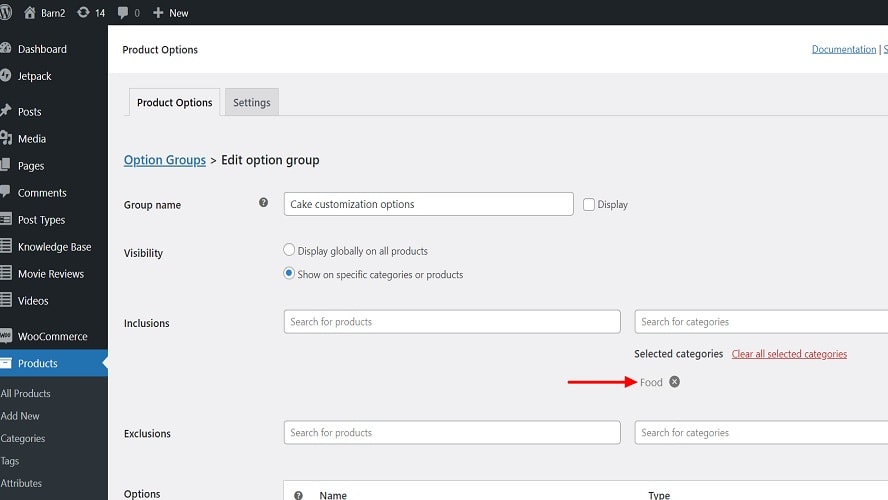
WooCommerce users can modify their site's layout, product display, and even checkout processes, employing various themes and plugins that integrate seamlessly with WordPress
WooCommerce distinctly surpasses Shopify, offering a higher level of personalization and adaptation. Shopify, known for its user-friendly design, provides an array of predefined templates that help users quickly establish their online presence. However, WooCommerce, built as an open-source platform, extends this customization significantly. It empowers businesses to meticulously craft their online stores to align precisely with their brand identity and specific business needs.
For instance, WooCommerce users can modify their site's layout, product display, and even checkout processes, employing various themes and plugins that integrate seamlessly with WordPress. This open-source nature not only facilitates extensive design modifications but also allows for deep functional customizations, such as integrating unique payment gateways or specialized shipping options. This level of customization available with WooCommerce is particularly beneficial for businesses that require a unique digital footprint, enabling them to create a tailored shopping experience that resonates with their brand and audience.
In comparison, while Shopify offers ease and speed in setup, it lacks the depth of customization that WooCommerce affords, making WooCommerce the clear winner for businesses seeking extensive control over their online store’s design and functionality.
Shopify Triumphs in User-Friendliness Over WooCommerce

Shopify has cemented its status as the go-to platform for entrepreneurs valuing simplicity and ease of use in e-commerce.
Shopify has cemented its status as the go-to platform for entrepreneurs valuing simplicity and ease of use in e-commerce. Its intuitive interface is designed for those without technical backgrounds, offering a clean, well-organized dashboard that simplifies the management of online stores. For instance, adding products, setting up payment methods, and tracking orders in Shopify can be done with just a few clicks, catering especially to beginners. The platform also boasts comprehensive support resources, including extensive tutorials and a responsive customer service team, ensuring users can navigate any aspect of store setup and management with ease.
In contrast, WooCommerce presents a highly customizable yet more complex approach. Ideal for those with some web development knowledge, it integrates with WordPress, offering a powerful tool for creating a tailored online store. However, its flexibility comes with a steeper learning curve, involving themes and plugins management, which can be daunting for the less tech-savvy. In essence, while WooCommerce offers deep customization for those comfortable with technology, Shopify emerges as the more accessible choice for entrepreneurs seeking a straightforward and hassle-free e-commerce experience.
WooCommerce Outperforms Shopify in Integration Capabilities

Leveraging the robust WordPress platform, WooCommerce provides almost limitless opportunities for integration with a myriad of tools and services.
When it comes to integration possibilities, WooCommerce stands out against Shopify, offering a broader spectrum of possibilities. Leveraging the robust WordPress platform, WooCommerce provides almost limitless opportunities for integration with a myriad of tools and services. For instance, users can enhance their store's capabilities with a diverse array of plugins, ranging from SEO optimization tools like Yoast SEO to advanced analytics solutions such as MonsterInsights. These plugins, available in both free and premium versions, allow for customization to meet specific business requirements.
In contrast, Shopify, while hosting an impressive app store, doesn't quite reach the expansive range of WooCommerce. Shopify's App Store includes various integrations for marketing, shipping, and customer service, yet it falls slightly short in terms of sheer variety and depth. Although Shopify scores high for ease of use, WooCommerce takes the lead with its unparalleled flexibility in integration, making it a more versatile choice for businesses that require complex, tailored e-commerce ecosystems. This significant difference underlines WooCommerce's edge for users who prioritize comprehensive integration over simplicity in their e-commerce platform choice.
Shopify Surpasses WooCommerce in Mobile Management Capabilities
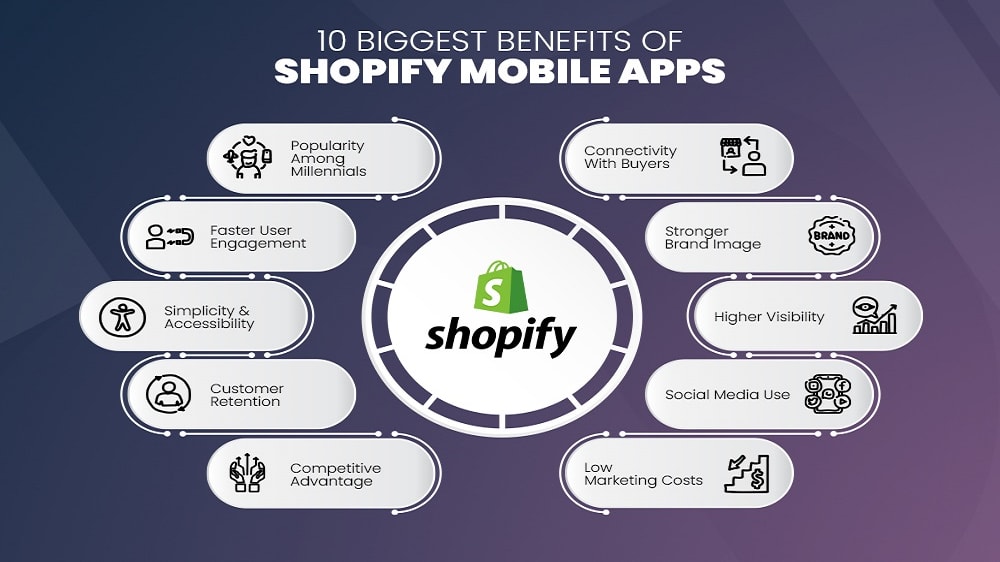
The Shopify mobile app is a key asset for entrepreneurs who need to manage their businesses on-the-go.
Shopify distinctly outperforms WooCommerce, offering a more streamlined and accessible mobile experience. The Shopify mobile app is a key asset for entrepreneurs who need to manage their businesses on-the-go. This app provides an extensive range of features at your fingertips, including real-time sales tracking, efficient order fulfillment, inventory management, and customer interaction, all optimized for smartphone use. For instance, users can immediately update product listings, process orders, and respond to customer queries directly from their mobile devices, ensuring constant connectivity with their business operations.
In contrast, while WooCommerce is mobile-friendly and supports responsive web design, it lacks a dedicated mobile application. This limitation means that WooCommerce users might find it more cumbersome to manage their online stores remotely, as they would need to rely on web-based solutions or third-party apps, which may not offer the same level of convenience and functionality as Shopify's integrated app. Consequently, for entrepreneurs who prioritize mobility and the ability to efficiently manage their store from anywhere, Shopify offers a significant advantage with its robust and user-centric mobile app, highlighting its superiority in facilitating mobile e-commerce management compared to WooCommerce.
Both WooCommerce and Shopify Excel in Supporting Diverse Product Ranges

WooCommerce, with its robust and versatile nature, allows for the sale of an expansive array of items, including physical goods, digital products, and services.
When it comes to product variety support, both WooCommerce and Shopify shine brightly when it comes to supporting a wide variety of products. WooCommerce, with its robust and versatile nature, allows for the sale of an expansive array of items, including physical goods, digital products, and services. Its platform facilitates intricate product variations, supports instant downloads for digital offerings, and can even handle bookings for appointments or events. This flexibility makes it an ideal choice for businesses with diverse inventory needs.
On the other hand, Shopify’s platform also excels in this area, enabling merchants to sell everything from handcrafted goods to digital products and services across multiple channels. Shopify's integration with various sales channels, such as online marketplaces and social media platforms, ensures a seamless and efficient sales process, regardless of the product type. This level of versatility is particularly beneficial for businesses looking to expand their reach across different market segments and platforms.
Both WooCommerce and Shopify, therefore, provide comprehensive solutions that cater to a wide range of business models, making them equally adept at handling diverse product catalogs. Whether a business specializes in physical goods, digital downloads, or services, these platforms offer the necessary tools and features to manage and sell
Shopify Leads WooCommerce in Integrated Marketing Solutions

Shopify's platform not only offers robust SEO tools to enhance online visibility but also includes a suite of marketing features that are directly accessible from its dashboard.
In the competitive landscape of e-commerce, Shopify demonstrates a clear advantage over WooCommerce in terms of integrated marketing capabilities. Shopify's platform not only offers robust SEO tools to enhance online visibility but also includes a suite of marketing features that are directly accessible from its dashboard. These features encompass email marketing functionalities, allowing users to design, execute, and track email campaigns seamlessly.
Additionally, Shopify excels in facilitating social media advertising, providing tools to create, manage, and analyze ads across various platforms without leaving the Shopify environment. This integration streamlines the marketing process, making it more efficient and user-friendly.
In contrast, while WooCommerce supports marketing efforts, its features are not as inherently integrated. WooCommerce users often rely on additional plugins to achieve similar marketing capabilities, which can lead to a less cohesive experience. This reliance on external solutions means that marketing efforts on WooCommerce might require more setup and management, potentially leading to a more fragmented approach. Shopify's all-encompassing, in-built marketing tools, therefore, offer a significant edge for businesses seeking a comprehensive, unified platform for both e-commerce and marketing, underscoring Shopify's superiority in providing an integrated marketing ecosystem compared to WooCommerce.
Shopify Outshines WooCommerce in Streamlining Inventory, Sales, and Payments Management
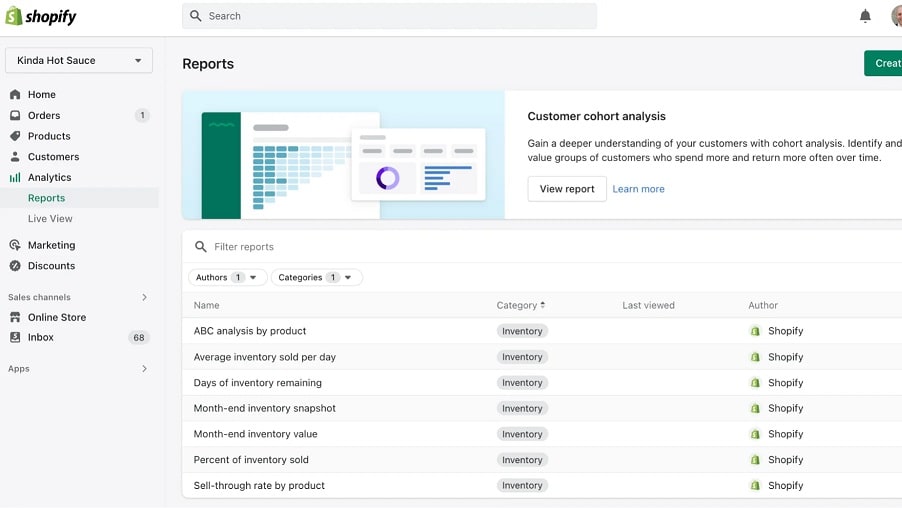
Shopify's platform excels in providing real-time inventory updates, a feature that is immensely valuable for maintaining accurate stock levels and preventing over-selling.
In the crucial aspects of inventory, sales, and payment management, Shopify stands a notch above WooCommerce, offering more streamlined and integrated solutions. Shopify's platform excels in providing real-time inventory updates, a feature that is immensely valuable for maintaining accurate stock levels and preventing over-selling. This is complemented by an efficient order management system, which simplifies the processing and tracking of sales, saving considerable time and effort for store owners. Furthermore, Shopify enhances the customer shopping experience by securing sensitive data and facilitating smooth credit card transactions directly on the platform, without the need for additional setup or configurations.
In contrast, while WooCommerce also supports secure payment processing and inventory management, achieving these functionalities typically involves integrating various extensions and plugins. This requirement can lead to a more complex and time-consuming setup process. WooCommerce users often find themselves navigating through multiple add-ons to replicate the cohesive experience that Shopify offers by default. This difference in approach highlights Shopify's advantage in offering a more user-friendly, all-in-one platform that efficiently manages inventory, sales, and payments, making it an ideal choice for businesses looking for a comprehensive and hassle-free e-commerce solution. Shopify's integrated system streamlines these critical operations, providing a smoother and more efficient management experience compared to the more modular and plugin-reliant structure of WooCommerce.
08 Woocommerce vs Shopify: Which is the best for your business?
Woocommerce is the best tool for you if:
- You are already using WordPress for your website and want seamless integration with a flexible, powerful e-commerce solution that aligns with your existing content management system.
- You desire extensive customization for your online store, from the layout to the functionality, and have the technical know-how or resources to implement these customizations.
- You're looking for a cost-effective solution with free basic options, where you only pay for additional plugins and themes as your business needs evolve and grow.
- You value having complete control over every aspect of your online store, including access to modify the source code and integrate with a wide range of plugins.
- You prefer a large community of developers and users for support, offering a wealth of knowledge, resources, and third-party tools to enhance and troubleshoot your e-commerce platform.
 You are already using WordPress for your website and want seamless integration with a flexible, powerful e-commerce solution that aligns with your existing content management system.
Shopify is the best tool for you if:
- You're looking for an all-in-one, user-friendly platform that simplifies the process of setting up and managing your online store, even if you have limited technical skills.
- You prioritize having a reliable, secure, and hosted solution with built-in features such as SSL certificates, payment processing, and customer support, reducing the need for external tools.
- You value having access to a wide range of professionally designed templates and an extensive app store to enhance your store's functionality without extensive coding.
- You want a scalable solution that can grow with your business, offering various pricing plans and features that can accommodate increasing customer traffic and sales volume.
- You prefer a streamlined approach to e-commerce, with integrated marketing tools for email campaigns, social media integration, and analytics to effectively manage and grow your online presence.
Shopify
Optimize the creation and management of your e-commerce website
$1/month for the first 3 months + 25% off annual plans
Save up to $2,734
09 Alternatives to Woocommerce & Shopify

Webflow
Used by 4676 members
1 year free on a CMS site plan
Save up to $348

Wix
Used by 993 members

Squarespace
Used by 267 members
Additional 10% off across all plans
Save up to $50

WordPress.com
Used by 152 members
30% off all monthly plans
Save up to $340
10 Promotions on E Commerce and Website Builder software
Woocommerce and Shopify are great tools, but Secret offers promo codes with discounts on over 2190+ different SaaS solutions. New deals are added regularly, helping you save money on your online subscriptions. Get access to codes for other E Commerce and Website Builder software you might want to purchase

Stripe promo code
Waived Stripe fees on your next $20,000 in payment processing

Lovable coupon
15% off annual Pro and Business plans

ShipBob promo code
$1,000 in shipping credits
WordPress.com coupon
30% off all monthly plans

Spocket free credits
25% off for 3 months

Elementor: Website Builder discount code
17% off the annual One Agency plan

Shippo free credits
3 months free on the Pro plan

Carrd promo
30% off for 1 year
Squarespace offer
Additional 10% off across all plans

Weglot promo code 2026
14 days free + 15% off annual plans
Start saving on the best SaaS
Secret has already helped tens of thousands of startups save millions on the best SaaS like Microsoft Teams, Google Workspace & many more. Join Secret now to buy software the smart way.