





Email marketing continues to deliver a high return on investment, generating an average of $45 for every $1 spent. But managing effective email marketing campaigns isn’t easy. It involves finding the right mix of personalization, research, and reliable technology to ensure your emails reach customers.
That’s where email marketing tools come in. SendGrid by Twilio and Mailchimp are two dominating forces in this space. But before you decide which is the best for your business, look at our features comparison below. It will help you understand the pros and cons of both tools and their main differences so you can make the right choice for your needs.
- 01 SendGrid vs Mailchimp: overview
- 02 What's the difference between SendGrid and Mailchimp?
- 03 SendGrid pros and cons
- 04 Mailchimp pros and cons
- 05 SendGrid compared to Mailchimp
- 06 Mailchimp compared to SendGrid
- 07 Features comparison
- 08 SendGrid vs Mailchimp: Which is the best for your business?
- 09 Alternatives to SendGrid & Mailchimp
- 10 Promotions on Email Marketing software
Start saving on the best SaaS
Secret has already helped tens of thousands of startups save millions on the best SaaS like Microsoft Teams, Google Workspace & many more. Join Secret now to buy software the smart way.

01 SendGrid vs Mailchimp: overview
SendGrid and Mailchimp are two prominent players in the world of email marketing and automation, each with its own set of unique strengths tailored to meet specific user needs.
SendGrid is known for its robust set of features in email marketing. It offers a comprehensive email marketing platform that includes not only email campaigns but also transactional emails, email delivery optimization, and detailed analytics. On the other hand, Mailchimp offers a complete suite of marketing tools, including email marketing, automation, social media management, and e-commerce integration.
Now, let's dive into the SendGrid vs. Mailchimp comparison to help you make an informed decision when selecting the right email marketing platform for your business.

Positive reviews
Both receive positive reviews overall. However, some users comment on the price or pricing strategies of the tools.

SendGrid
Mailchimp
A/B testing
A/B testing for subject line or email content is available with all SendGrid plans. MailChimp paid plans include A/B testing for subject lines, sender’s name, content, and send time.
SendGrid
Mailchimp
Pricing plans
Both offer free plans. SendGrid’s paid plans start at $15/month and Mailchimp’s at $13/month. These increase as the number of contacts/emails increases.
SendGrid
Mailchimp
Customer support
SendGrid offers ticket service support with all plans, including its free version. Both offer live chat and phone support with more expensive plans.
SendGrid
Mailchimp
Email creation
SendGrid offers both a visual and code email builder. MailChimp has an easy drag-and-drop email builder with a range of templates available.
SendGrid
Mailchimp
Ease of use
SendGrid provides an email creation checklist. However, its user interface navigation could be clearer. Mailchimp is user-friendly, even for beginners.
SendGrid
Mailchimp
Analytics
SendGrid’s real-time analytics and engagement tracking are available with all plans, including its free version. MailChimp offers basic analytics reports with its free and entry-level plans.
SendGrid
Mailchimp
Automation
Both offer standard email marketing automation features including welcome series, follow-up, and customer update emails.
SendGrid
Mailchimp
Segmentation
SendGrid supports up to 200 segmentations per user including by location and age. MailChimp offers basic and advanced segmentation and predictive segmentation analytics.
SendGrid
Mailchimp
Integrations
SendGrid offers 120+ partner integrations including Google Cloud, Airtable, and Litmus. Mailchimp offers 300+ integrations including Vimeo, Zerobounce, and Salesforce. Both connect with Zapier.
SendGrid
Mailchimp
02 What's the difference between SendGrid and Mailchimp?
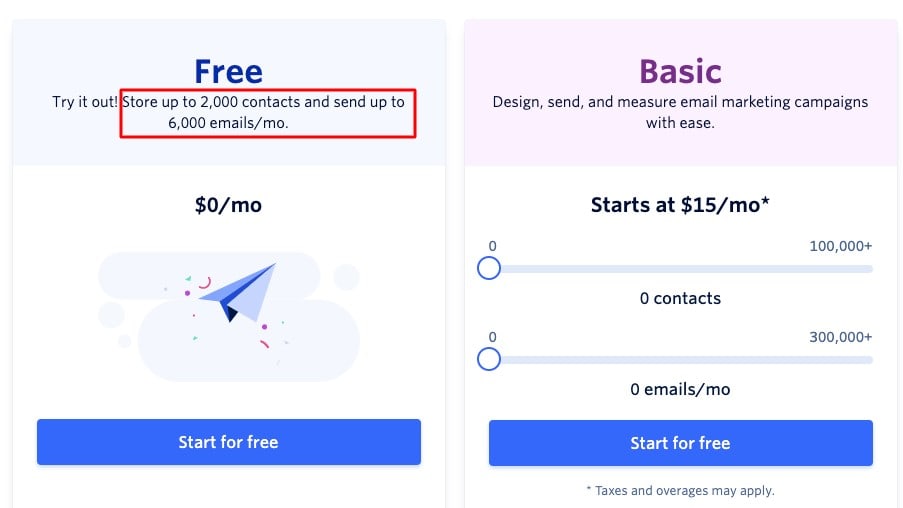
SendGrid’s Pricing Plans, Highlighting its Free Plan Contact and Email Limits
SendGrid
Marketing and transactional email delivery service.
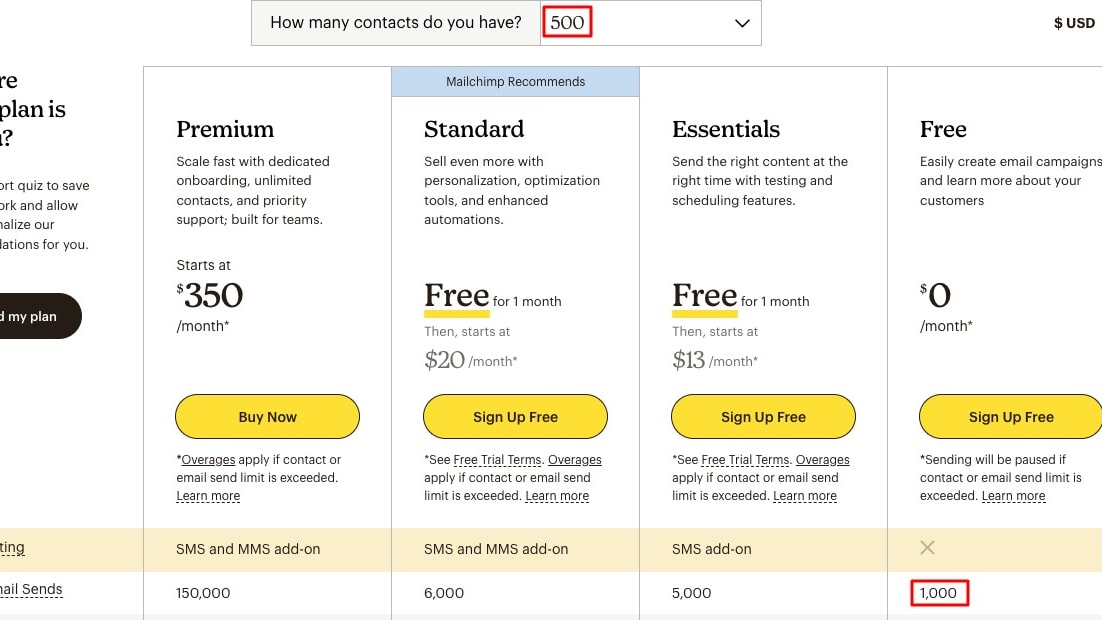
Mailchimp’s Pricing Plans, Highlighting the Contact and Email Sends of its Free Plan
Mailchimp
Mailchimp is the #1 email and marketing automations brand* helping businesses find and engage customers across email, social media, landing pages, and advertising platforms.
SendGrid and Mailchimp help marketers address the complexities of email marketing. But their approach to doing so differs. One of the main differences between the two tools is what their products emphasize. SendGrid aims to deliver the infrastructure needed to support high-volume email campaigns, ensuring they are delivered effectively and efficiently. Used by companies including Airbnb and Uber, the platform says it sent out 8.9 billion emails on Cyber Monday in 2022. In addition to its email marketing platform, SendGrid offers a separate email API.
In comparison, Mailchimp focuses on providing an all-in-one digital marketing automation solution. In addition to emails, the platform includes digital marketing channels like social media, SMS marketing, surveys, forms, and landing pages. It also offers a website builder. These features help you use consistent branding across your channels.
SendGrid and Mailchimp’s customer support also varies. SendGrid offers ticket support across all its plans, including its free version. Chat support and expert services are available with its paid plans and phone support with its top-tier subscription. You can also add personalized help to your paid plan for an extra cost. Compared to SendGrid, Mailchimp offers limited ongoing support on its free version. While email support is available for the first 30 days, free users must then rely on Mailchimp’s online resources and community support. Mailchimp offers live chat and email support across all its paid plans and phone support with its Premium plan.
A final key difference between the two platforms is their free plan limitations. With Mailchimp’s free version, you are limited to 500 contacts. Email send limits are 500/day and 1,000/month. SendGrid’s free plan lets you add up to 2,000 contacts and its monthly email limit is 6,000 emails.

Mailchimp
Email and Marketing Automation
30% off all plans for 12 months
Save up to $5,760
03 SendGrid pros and cons
What are the advantages of SendGrid?
- Reliable email delivery: SendGrid is renowned for its high deliverability rates and efficient email delivery infrastructure. It employs various measures to ensure that your emails reach recipients' inboxes and not their spam folders.

- Scalability: SendGrid can accommodate the needs of both small businesses and large enterprises. It allows you to send a large volume of emails without worrying about server infrastructure or performance issues.
- Detailed analytics: SendGrid provides comprehensive tracking and reporting tools. You can gain insights into email open rates, click-through rates, engagement, and other important metrics, helping you refine your email marketing strategy.
- Developer-friendly: SendGrid offers robust APIs and developer tools, making it easy to integrate with your applications, websites, or third-party platforms. This flexibility is especially valuable for businesses with custom email requirements.
- Automation and personalization: SendGrid offers features for setting up email automation workflows and personalizing email content. This can help you engage with your audience more effectively and improve the user experience.
What are the disadvantages of SendGrid?
- Pricing: While SendGrid offers a free tier with limited features, its pricing can become expensive as your email volume increases. Small businesses might find it challenging to manage costs as they grow.

- Complexity for beginners: SendGrid's robust feature set and customization options may be overwhelming for beginners. Users with limited technical knowledge might find it challenging to set up and optimize.
- Limited marketing features: SendGrid primarily focuses on transactional emails. While it offers some marketing automation features, it may not be as feature-rich as dedicated email marketing platforms like Mailchimp for marketing campaigns.
- Support: The quality of customer support can vary, and some users have reported difficulties in getting timely assistance, especially on the lower-priced plans.
- Compliance challenges: Maintaining compliance with email marketing regulations (like GDPR or CAN-SPAM) can be challenging, as SendGrid primarily provides the tools, but you are responsible for ensuring compliance in your email campaigns.
Compare SendGrid to other tools


MailerSend vs SendGrid


Twilio vs SendGrid

Mailjet vs SendGrid

Customer.io vs SendGrid

Brevo (ex. Sendinblue) vs SendGrid
04 Mailchimp pros and cons
What are the advantages of Mailchimp?
- User-friendly interface: Mailchimp is known for its intuitive and user-friendly interface, making it accessible to users with varying levels of technical expertise. It's an excellent choice for beginners.
- All-in-one marketing platform: Mailchimp offers a comprehensive suite of marketing tools, including email marketing, marketing automation, social media management, landing page creation, and e-commerce integration. This can simplify your marketing efforts by having everything in one place.
- Segmentation and personalization: Mailchimp provides powerful segmentation and personalization features, allowing you to target specific audience segments with tailored content. This can enhance engagement and conversion rates.
- Templates and design tools: Mailchimp offers a variety of professionally designed email templates and easy-to-use design tools. You can create visually appealing emails without extensive design skills.
- Analytics and reporting: Mailchimp provides detailed analytics and reporting tools, allowing you to track email performance, monitor subscriber engagement, and make data-driven decisions to optimize your campaigns.
What are the disadvantages of Mailchimp?
- Pricing complexity: Mailchimp's pricing can become expensive as your subscriber list grows. Some users have reported that it becomes less cost-effective as they move to larger lists or require more advanced features.
- Limited automation on free plan: While Mailchimp offers marketing automation features, some advanced automation options are only available on higher-tier paid plans. This can be limiting for users on the free plan.
- Deliverability challenges: Some users have experienced deliverability issues with Mailchimp, particularly if they send a high volume of emails or if their email list quality is poor. Ensuring high deliverability may require additional effort.
- Email list restrictions: Mailchimp has strict policies regarding list quality, and they may suspend accounts with high bounce rates or low engagement. This can be a drawback for businesses with older or less engaged lists.
- Limited A/B testing on lower tiers: A/B testing, a valuable tool for optimizing email campaigns, is available on Mailchimp but with limitations on lower-tier plans. To access more advanced testing options, you may need to upgrade to higher-priced plans.
Compare Mailchimp to other tools


Moosend vs Mailchimp

HubSpot vs Mailchimp

Omnisend vs Mailchimp

ActiveCampaign vs Mailchimp

GetResponse vs Mailchimp

Freshmarketer vs Mailchimp
05 SendGrid compared to Mailchimp
When comparing SendGrid and Mailchimp, SendGrid stands out with its emphasis on email deliverability and transactional email capabilities. It's a preferred choice for businesses that prioritize reliable email delivery and need transactional email services for sending order confirmations, receipts, and other automated messages.
One of SendGrid's key strengths lies in its robust email delivery infrastructure, which helps ensure that your emails reach recipients' inboxes consistently. This reliability is crucial for businesses that depend on email for important communications.
While both SendGrid and Mailchimp excel in email marketing, the choice between the two depends on your specific business needs. SendGrid is an excellent choice for businesses that prioritize email deliverability, especially those with transactional email requirements.
Is SendGrid better than Mailchimp?
 Is SendGrid better than Mailchimp?
Deciding between the two hinges on your distinct requirements. SendGrid excels with its exceptional email deliverability rates and extensive API capabilities, which make it a top pick for those prioritizing transactional emails and developer-friendly options. For instance, e-commerce platforms that rely on sending order confirmations or shipping notifications benefit from SendGrid's transactional prowess.
On the other hand, Mailchimp boasts a broader array of marketing tools and a user-friendly interface, catering to businesses seeking an all-in-one email marketing platform. It's perfect for businesses aiming to create visually engaging newsletters, run targeted email campaigns, and manage social media integrations seamlessly.
What is SendGrid best used for?
SendGrid excels when leveraged for its extensive array of API options and remarkable deliverability rates, with a particular forte in the realm of transactional emails. It's ideally suited for companies with programming expertise that require the seamless transmission of substantial volumes of automated emails, such as e-commerce businesses sending order confirmations, shipping updates, or password reset notifications.
SendGrid's developer-friendly environment enables customization and integration with various systems, empowering businesses to automate complex email workflows effortlessly. Moreover, its robust analytics tools enable businesses to gain insights into email engagement, refine their strategies, and enhance overall email performance efficiently and effectively.
Can SendGrid replace Mailchimp?
The answer depends on your specific needs. SendGrid boasts robust features, particularly in the realm of transactional emails, making it an excellent choice for businesses with a developer team, focusing primarily on automated emails like order confirmations or password resets. However, it's not typically considered a complete replacement for Mailchimp.
Mailchimp offers a more extensive suite of marketing tools, including capabilities like creating landing pages and managing social media posts. Therefore, if your marketing strategy demands a comprehensive approach encompassing various channels beyond just email, Mailchimp remains a valuable addition even if you opt for SendGrid's specialized transactional email capabilities.
Is SendGrid cheaper than Mailchimp?
SendGrid often proves to be a more cost-effective choice, particularly for businesses focusing on transactional emails. SendGrid's pricing model is typically based on the volume of emails sent, offering flexibility and potential savings. E-commerce platforms heavily reliant on sending transactional messages, such as order confirmations or shipping updates, may find SendGrid's pricing advantageous.
Conversely, Mailchimp provides an extensive suite of integrated marketing features, including email marketing, automation, social media management, and landing pages. For businesses seeking a comprehensive, all-in-one solution to manage their marketing across multiple channels, the added value of Mailchimp's features can justify its cost, even if it appears slightly higher on a per-email basis compared to SendGrid.
Is there a better Email Marketing software than SendGrid?
While SendGrid has its strengths, it's essential to consider other email marketing software options that might better suit your particular needs.
There are several noteworthy alternatives to SendGrid in the email marketing landscape. Some of these include Mailchimp, Constant Contact, Brevo, and Mailgun.
The selection of email marketing software depends on your business's specific requirements, priorities, and individual preferences. However, if you are looking for a tool known for its robust email marketing features, meticulous attention to detail, and an intuitive user interface, SendGrid might indeed be the right choice for your needs.
06 Mailchimp compared to SendGrid
Mailchimp distinguishes itself with its comprehensive suite of marketing tools and user-friendly interface, making it an attractive choice for businesses seeking a one-stop solution for their marketing needs. Mailchimp's pricing structure, which includes a free plan and a range of paid options, provides flexibility for businesses of all sizes, from startups to large enterprises.
One of Mailchimp's standout features is its robust marketing automation capabilities, allowing users to create intricate workflows, segment audiences, and automate email campaigns based on user behavior. This feature is particularly valuable for businesses aiming to engage customers through personalized and targeted email content.
While both Mailchimp and SendGrid excel in email marketing, the choice between the two depends on your specific business needs. Mailchimp is a versatile and user-friendly option with a focus on providing a comprehensive suite of marketing tools, making it ideal for businesses looking to manage and expand their marketing efforts across various channels.
Is Mailchimp better than SendGrid?
The answer largely depends on your specific needs and the scale of your business. Mailchimp is favored for its user-friendly platform and an expansive array of marketing features, particularly appealing to small businesses looking for a one-stop solution. For instance, a local coffee shop may find Mailchimp's simplicity ideal for crafting newsletters and managing social media campaigns.
In contrast, SendGrid excels in transactional email services and scalability, making it a preferred choice for larger enterprises with complex automation needs. For example, an e-commerce giant relies on SendGrid to send a high volume of order confirmations, shipping updates, and personalized recommendations.
What is Mailchimp best used for?
Mailchimp is a versatile platform renowned for its comprehensive approach to email marketing and more. It's particularly well-suited for small businesses and entrepreneurs aiming to streamline their marketing efforts. With Mailchimp, you can manage not only email campaigns but also create eye-catching landing pages, launch targeted social media ad campaigns, and handle customer relationship management (CRM) all from a unified platform.
For example, a local boutique can effortlessly design and schedule email newsletters showcasing their latest collections, create social media advertisements to reach their audience, and track customer interactions in one place. Mailchimp's user-friendly interface, coupled with its library of customizable templates, empowers users to create and automate campaigns without requiring extensive technical expertise. This makes it an invaluable tool for businesses seeking a comprehensive and accessible marketing solution.
Can Mailchimp replace SendGrid?
The short answer is that they serve somewhat different purposes within the realm of email communication. Mailchimp, with its comprehensive marketing features, is often utilized for sending marketing emails and managing broader marketing campaigns. For instance, an e-commerce store might rely on Mailchimp to create and send promotional newsletters to its customer base, complete with engaging templates and audience segmentation.
In contrast, SendGrid excels in transactional emails and offers powerful API options. For example, a banking institution depends on SendGrid to send automated account statements, password reset notifications, and critical transaction alerts securely and reliably.
So, while Mailchimp is an excellent choice for marketing emails, it may not fully replace SendGrid's specialized transactional email capabilities. The choice depends on your specific email communication needs.
Is Mailchimp cheaper than SendGrid?
Generally, Mailchimp may appear slightly costlier than SendGrid, primarily in terms of basic email delivery services. However, the pricing comparison must consider the broader context. Mailchimp's pricing includes a comprehensive suite of integrated marketing tools, such as email marketing, automation, social media management, and landing page creation. This added value can justify its cost for businesses seeking an all-in-one marketing solution.
For instance, a growing e-commerce store using Mailchimp may find the investment worthwhile, as it enables them to manage email campaigns, automate customer follow-ups, create engaging landing pages, and track social media ad performance from a single platform.
Is there a better Email Marketing software than Mailchimp?
While Mailchimp offers a range of features and benefits, it's prudent to consider alternative email marketing software options that could better fit your distinct requirements.
There are several notable alternatives to Mailchimp within the email marketing sphere, including Mailjet, MailerLite, ConvertKit, and HubSpot Email Marketing.
Selecting the right email marketing software should be based on your business's individual needs, priorities, and personal preferences. However, if you're in search of a platform recognized for its core email marketing capabilities, meticulous attention to detail, and a user-friendly interface, Mailchimp might indeed be the perfect choice for your email marketing endeavors.
Mailchimp
Email and Marketing Automation
30% off all plans for 12 months
Save up to $5,760
07 Features comparison
SendGrid Excels in Deliverability When Compared to Mailchimp

SendGrid's AI-driven infrastructure is designed to ensure that your email messages not only reach their intended recipients' inboxes but also steer clear of spam or junk folders.
When it comes to email deliverability, SendGrid's technological prowess and utilization of artificial intelligence (AI) set it apart as a formidable contender. SendGrid's AI-driven infrastructure is designed to ensure that your email messages not only reach their intended recipients' inboxes but also steer clear of spam or junk folders. For example, a financial institution relying on SendGrid can rest assured that crucial transactional emails, such as account statements or password resets, are consistently delivered to customers' primary inboxes.
While Mailchimp does not necessarily underperform in email deliverability, it does not explicitly mention the use of AI or a comprehensive infrastructure dedicated to enhancing email deliverability as SendGrid does. This makes SendGrid a preferred choice for businesses that prioritize the utmost reliability in email communication.
Mailchimp Excels in Automated Messaging Beyond SendGrid

Mailchimp's automation tools excel in monitoring customer interactions with your brand, allowing you to create highly tailored messages for each user
In the realm of email marketing automation, Mailchimp shines with its robust features that ensure the right message reaches the right audience at precisely the right time. Mailchimp's automation tools excel in monitoring customer interactions with your brand, allowing you to create highly tailored messages for each user. An e-commerce business can use Mailchimp's automation to send personalized product recommendations based on a customer's browsing and purchase history, significantly boosting engagement rates and sales.
On the other hand, while SendGrid also offers email automation, it doesn't harness customer interactions to the same extent as Mailchimp. SendGrid's strength lies more in transactional email automation, making it an ideal choice for businesses that prioritize reliable delivery of order confirmations, receipts, and other automated messages.
Mailchimp Outperforms SendGrid in Ease of Use
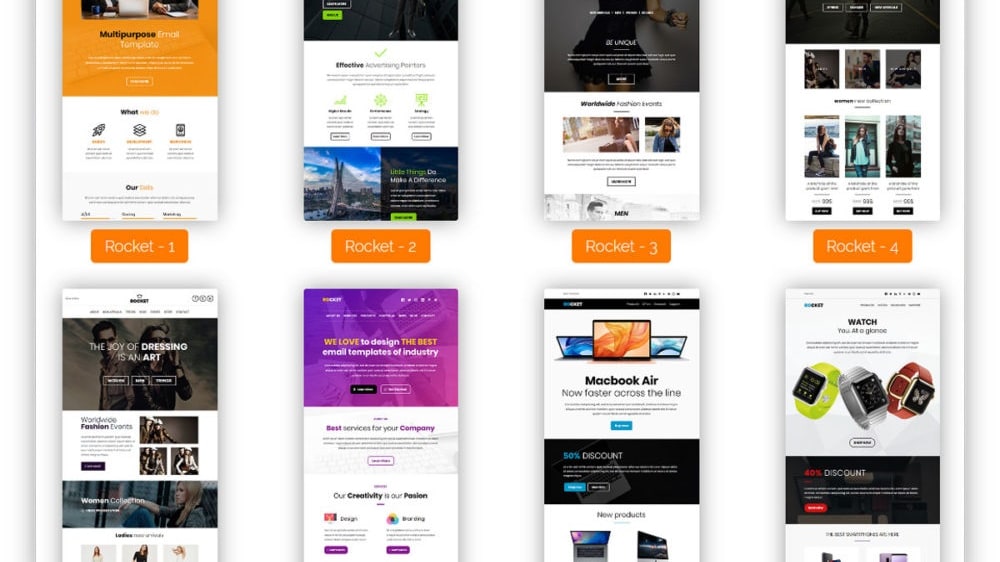
Renowned for its user-friendliness, Mailchimp boasts an organized layout and clear instructions, catering to beginners.
When evaluating the ease of use between SendGrid and Mailchimp, both platforms offer intuitive interfaces, but there are distinct differences to consider. For users new to email marketing, Mailchimp presents a slight advantage. Renowned for its user-friendliness, Mailchimp boasts an organized layout and clear instructions, catering to beginners. It includes a user-friendly visual campaign builder and a library of pre-designed templates that simplify the process of crafting effective emails.
In contrast, SendGrid's interface may appear more minimalistic when compared to Mailchimp's feature-rich environment. However, this simplicity translates into easier navigation, making it an attractive choice for those who prioritize customization and technical control. SendGrid's flexible API empowers users with technical skills, like developers, to design unique emails tailored to their precise requirements.
In summary, while both SendGrid and Mailchimp offer user-friendly interfaces, Mailchimp excels in simplicity for beginners, while SendGrid provides a more technical approach that appeals to users seeking customization and advanced control over their email campaigns.
SendGrid's Templates Offer Enhanced Intuitiveness Compared to Mailchimp's Designs
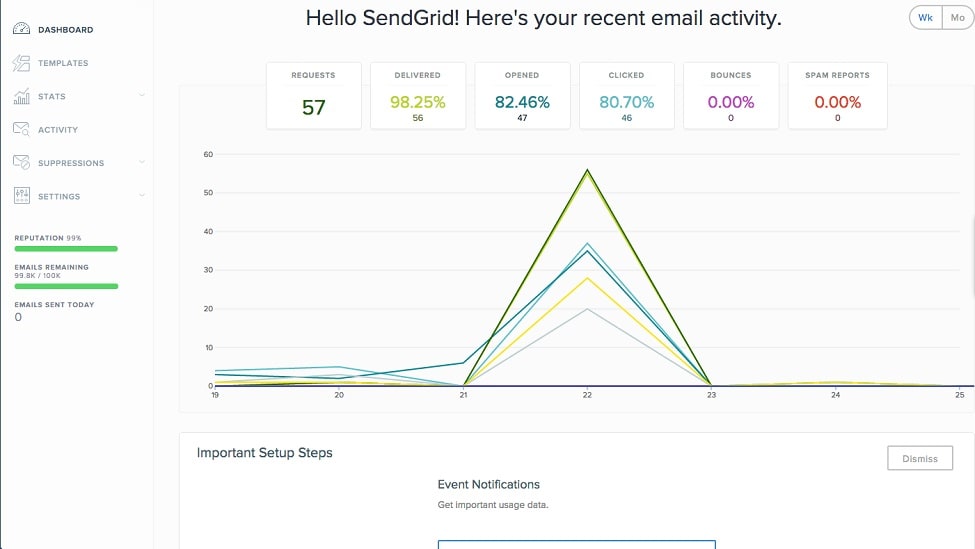
SendGrid offers a library of responsive email templates that facilitate the quick launch of marketing campaigns.
When it comes to email design, both SendGrid and Mailchimp offer their own set of features and considerations.
SendGrid offers a library of responsive email templates that facilitate the quick launch of marketing campaigns. These templates are designed to look great on various devices and screen sizes, saving time for businesses aiming to get their campaigns up and running promptly. Moreover, SendGrid provides a user-friendly drag-and-drop editor, enhancing the ease of personalizing content. For instance, a retail company can efficiently customize a template to showcase seasonal product offerings.
Mailchimp employs AI-driven design tools to assist users in creating visually appealing email campaigns. However, achieving attention-grabbing multi-channel designs may require a bit more effort.
Mailchimp Excels Over SendGrid in Customer Segmentation

Mailchimp stands out with its exceptional features for customer segmentation that empower businesses to finely target specific customer groups based on behavior and interests.
Mailchimp stands out with its exceptional features for customer segmentation that empower businesses to finely target specific customer groups based on behavior and interests. For instance, an e-commerce store can segment its customer list to send tailored product recommendations to users who have shown interest in specific categories.
Mailchimp's predictive segmentation takes it a step further by identifying customers likely to make repeat purchases or increase their spending over time. This predictive insight allows businesses to proactively engage with high-potential customers, potentially boosting revenue.
In contrast, SendGrid's documentation doesn't explicitly mention customer segmentation features, suggesting that its primary focus may be on other aspects of email marketing, such as deliverability and transactional email capabilities.
Mailchimp and SendGrid Provide Exceptional Testing and Reporting Capabilities

Mailchimp offers the Content Optimizer, a valuable tool that provides tips and recommendations based on past-performing campaigns.
In the realm of testing and reporting, both SendGrid and Mailchimp offer powerful tools to enhance your email marketing campaigns.
SendGrid's testing capabilities shine through its ability to test each email campaign before sending it out. This ensures that your emails are accessible and readable on all devices, enhancing the user experience. Additionally, SendGrid provides detailed reports and analytics for each campaign, allowing businesses to gain insights into email open rates, click-through rates, engagement, and other crucial metrics for optimization.
Mailchimp offers the Content Optimizer, a valuable tool that provides tips and recommendations based on past-performing campaigns. This aids in refining your email marketing approach, ensuring that your content resonates with your audience.
Mailchimp's Extensive App Directory Surpasses SendGrid's Integration Options
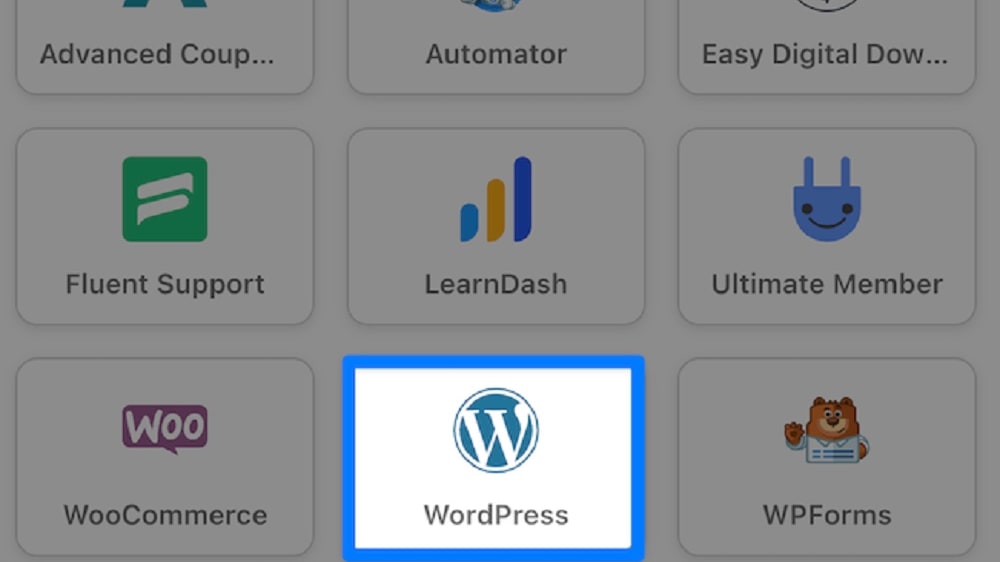
Mailchimp seamlessly connects with various Content Management Systems (CMS), Customer Relationship Management (CRM) systems, e-commerce platforms, and social media networks.
Both SendGrid and Mailchimp provide extensive integration opportunities with other apps and platforms. However, Mailchimp takes a lead in integration offerings, particularly for non-technical users.
Mailchimp seamlessly connects with various Content Management Systems (CMS), Customer Relationship Management (CRM) systems, e-commerce platforms, and social media networks. This broad spectrum of integrations provides an all-in-one solution for managing and tracking online marketing efforts. For instance, an online store using Shopify can effortlessly sync customer data and purchase history with Mailchimp for targeted email campaigns.
SendGrid stands out for its developer-focused integration capabilities. It excels in seamlessly integrating with programming languages like Python, PHP, and Ruby, making it an ideal choice for tech-oriented businesses. Additionally, SendGrid integrates well with platforms such as WordPress and other web development tools. This flexibility empowers businesses with technical expertise to create custom integrations that precisely match their needs.
08 SendGrid vs Mailchimp: Which is the best for your business?
SendGrid is the best tool for you if:
- You require the infrastructure to send out high-volume email campaigns including email delivery optimization features to ensure consistent delivery
- Your business relies on transactional emails like welcome emails, order confirmations, and receipts and you don’t need a platform that supports other marketing channels
- You’re seeking a free plan with generous contact and email send limits
- You want a developer-friendly solution including access to developer tools and API options to tailor the platform to your business’s custom email requirements
- You need a platform with responsive templates that are easily customizable and work well on all recipient devices
 You require the infrastructure to send out high-volume email campaigns including email delivery optimization features to ensure consistent delivery
Mailchimp is the best tool for you if:
- You have limited email marketing experience or technical expertise and you’re looking for a beginner-friendly platform with an easy-to-navigate interface
- Your business needs an all-in-one digital marketing tool to streamline marketing campaigns across email, SMS, social media, and online channels
- Consistent branding across multiple platforms is essential to your business’s marketing strategy
- You want robust email automation functionality including predictive segmentation to automate targeted email campaigns
- You need to ensure the platform is compatible with your existing software and you’re looking for a wide range of ready-made integrations that don’t require advanced technical skills to set up
Mailchimp
Email and Marketing Automation
30% off all plans for 12 months
Save up to $5,760
09 Alternatives to SendGrid & Mailchimp

Brevo (ex. Sendinblue)
Used by 4648 members
75% off the annual Starter and Standard Plans
Save up to $5,661

HubSpot
Used by 2765 members
90% off the Professional and Enterprise plans for 1 year
Save up to $7,000

Customer.io
Used by 1033 members
1 year free on the Essentials plan (30k profiles)
Save up to $3,900

ActiveCampaign
Used by 594 members
90% off any annual plan for the first year
Save up to $1,610
10 Promotions on Email Marketing software
SendGrid and Mailchimp are great tools, but Secret offers promo codes with discounts on over 2190+ different SaaS solutions. New deals are added regularly, helping you save money on your online subscriptions. Get access to codes for other Email Marketing software you might want to purchase
Discount for Brevo (ex. Sendinblue)
75% off the annual Starter and Standard Plans
Code for ActiveCampaign
90% off any annual plan for the first year

Bouncer promotion
20% off on Pay-as-you-go

lemlist promotion code
First month free + 20% off across all annual paid plans
Customer.io discount
1 year free on the Essentials plan (30k profiles)

Beefree SDK promotion
90% off subscription fees on Core and Superpowers plans for 12 months

Promo code Moosend
75% off monthly plans for 1 year

ClickFunnels deal
1 month free on the Pro plan

GetResponse promo code 2026
Additional 15% off on all purchases

Promo code iContact
10% off monthly and annual plans for 1 year
Start saving on the best SaaS
Secret has already helped tens of thousands of startups save millions on the best SaaS like Microsoft Teams, Google Workspace & many more. Join Secret now to buy software the smart way.